
Alternatives to Traditional Fume Hoods
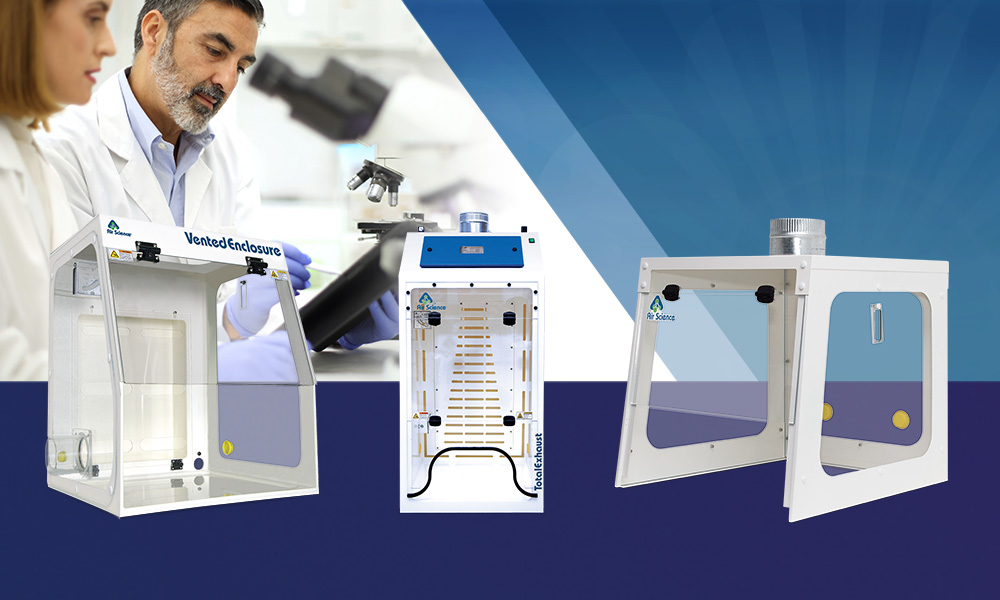
What is a ducted fume hood used for? Traditional ducted fume hoods have long been a staple in laboratory settings, providing a reliable method for handling hazardous materials. Ducted fume hoods utilize a facility’s HVAC ductwork to pull contaminated air from the hood and exhaust it outside the facility. This design makes them particularly suitable […]
Maximize Lab Safety: Filter Replacement Best Practices

When to replace your laboratory’s carbon or HEPA/ULPA filters. Regularly replacing your laboratory’s carbon or HEPA/ULPA filters is crucial for maintaining safety and ensuring optimal filter performance. Several factors influence the frequency of filter replacement, including temperature, humidity, residence time, filter age, evaporation rate, and chemical concentration. These conditions can significantly affect the filter’s effectiveness […]
Choosing The Best Laboratory Filtration Equipment For Your Needs.
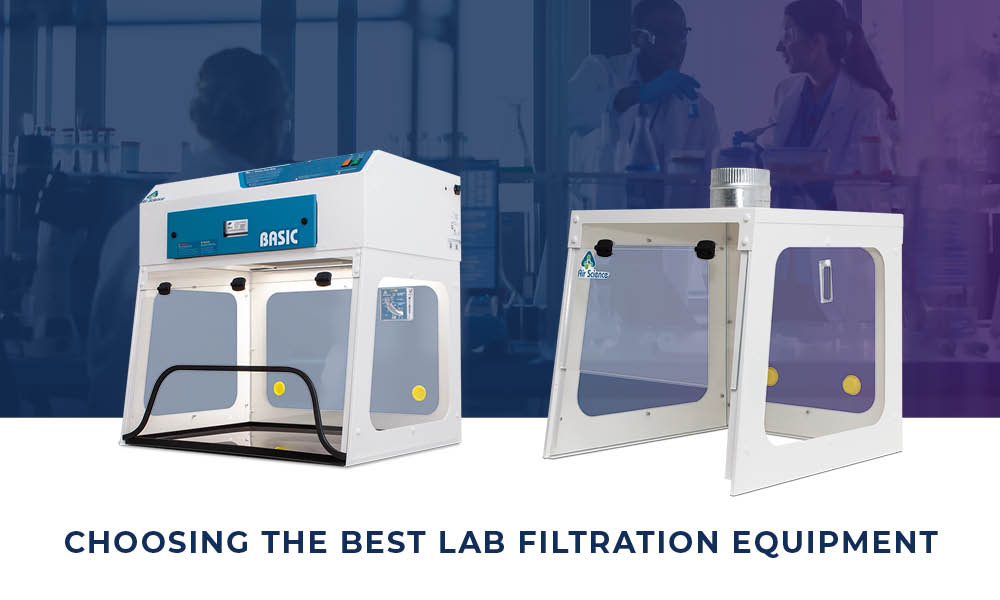
When outfitting your laboratory with new equipment, it’s always a good idea to carefully consider what products will best address your needs both now and in the future. Choosing equipment that provides flexibility while also ensuring the essential needs of your application are met will give you the biggest return on investment. Whether you are […]
The Ins and Outs of PCR Cabinets
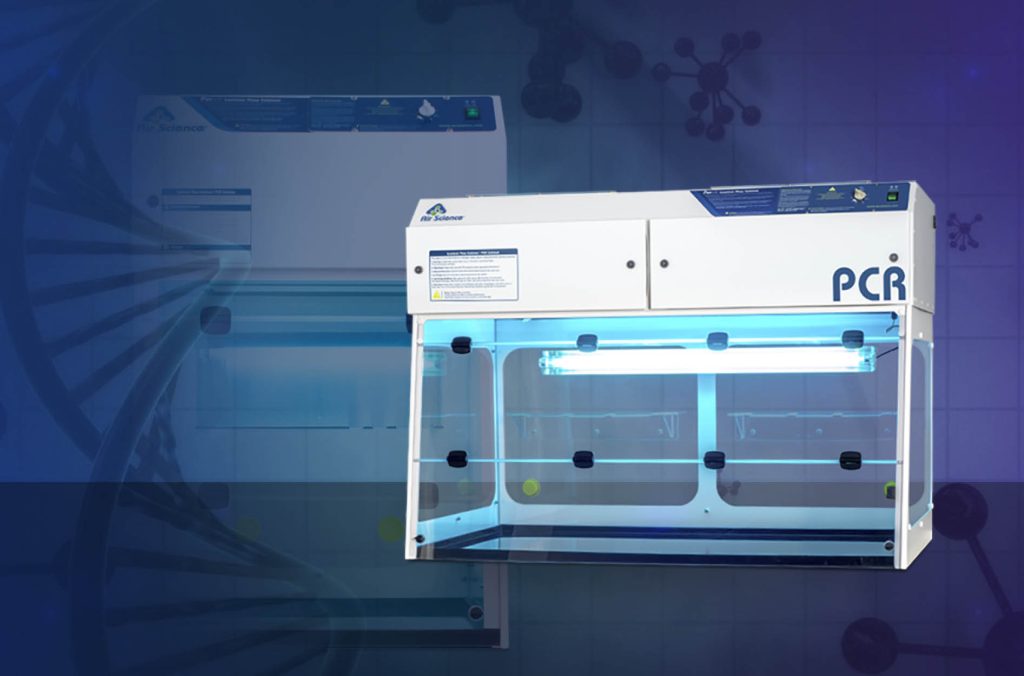
What is a PCR cabinet and why is it used? A PCR cabinet, also known as a PCR workstation, is a vertical laminar flow cabinet specifically designed for PCR equipment. PCR laminar flow cabinets, or laminar flow hoods, help prevent cross-contamination that adversely affects samples. PCR cabinets are essential laboratory equipment for highly sensitive PCR […]
Picking the Perfect Laboratory Equipment
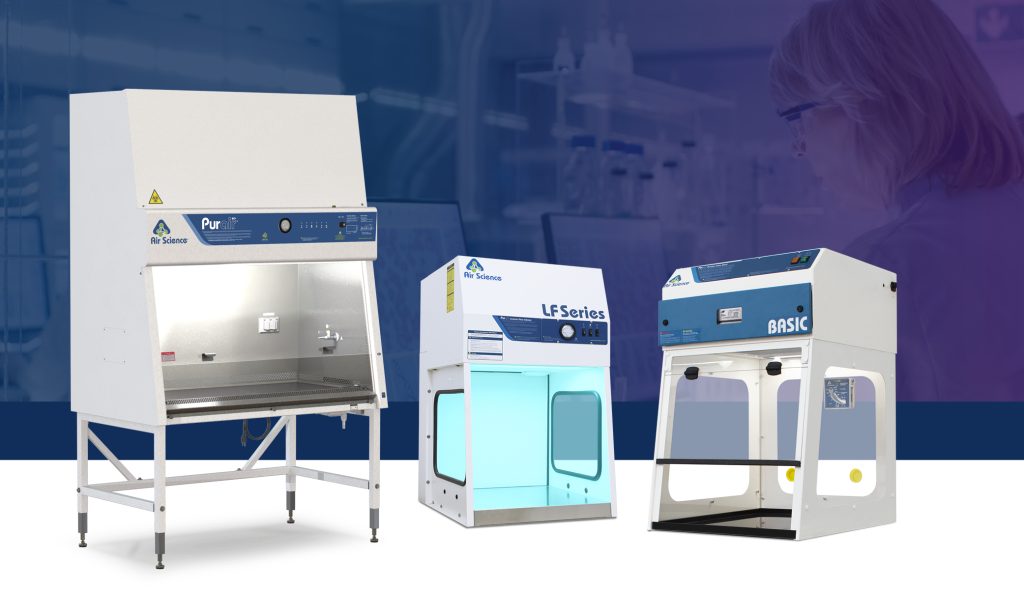
To run a safe, effective laboratory, you need the right equipment. Ductless fume hoods, laminar flow hoods and biological safety cabinets are designed to meet the needs of different situations. Choosing the right hood ensures protection for the operator, process and/or environment. The Air Science® Laboratory Desk Reference Equipment Selection Guide shows you which filtration […]
How Often Should a Ductless Fume Hood Filter be Replaced?

Having a routine filter replacement schedule is an important first step for proper equipment maintenance. Most ductless fume hood filter replacement schedules follow intervals of between 6 and 24 months. Regular filter replacement is essential to prevent oversaturation of the filters. Activated carbon filters that become oversaturated are no longer able to protect personnel from […]
The Cost of Clean Air: Exploring Ductless Labs

How Does A Fume Hood Operate? Fume hoods are designed to protect personnel from toxic or volatile chemical gases, vapors and fumes. In both ducted and ductless fume hoods, room air enters the hood through the sash either vertically or horizontally, depending on the design. The sash also acts as a barrier between the worker […]
How to Control Contamination During PCR Amplification
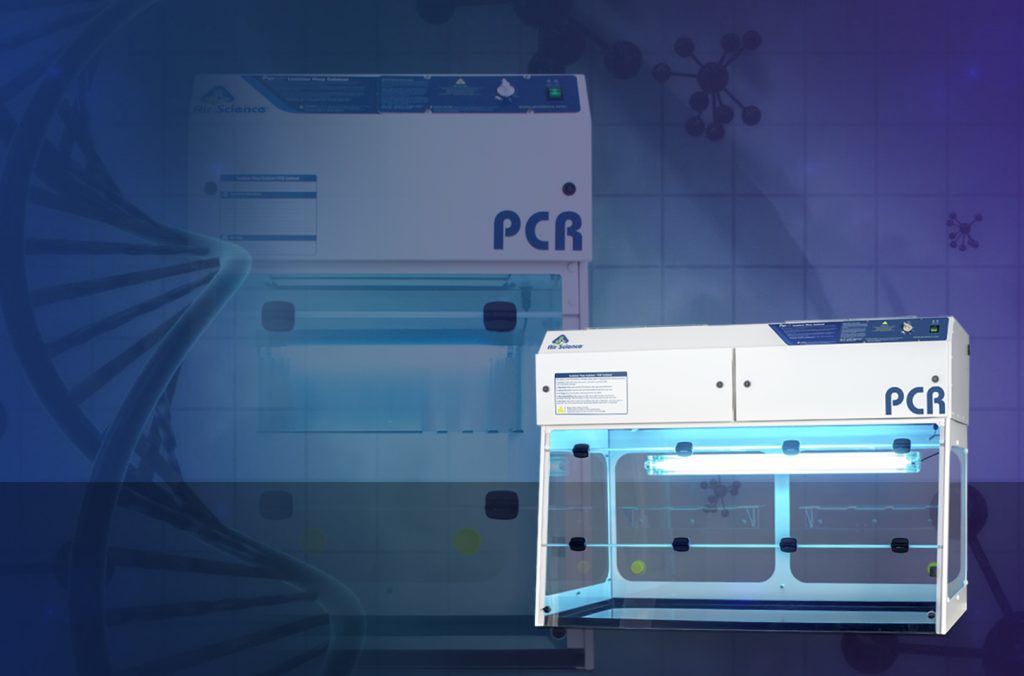
The importance of contamination control in PCR amplification cannot be overstated. This is because even trace amounts of DNA from the external environment may lead to inaccurate results that can corrupt the outcome. Common Sources of Contamination in PCR PCR contamination can be caused by a variety of sources, including airborne particulates, inadequate surface decontamination […]
Is Going Ductless Right for Your Lab?
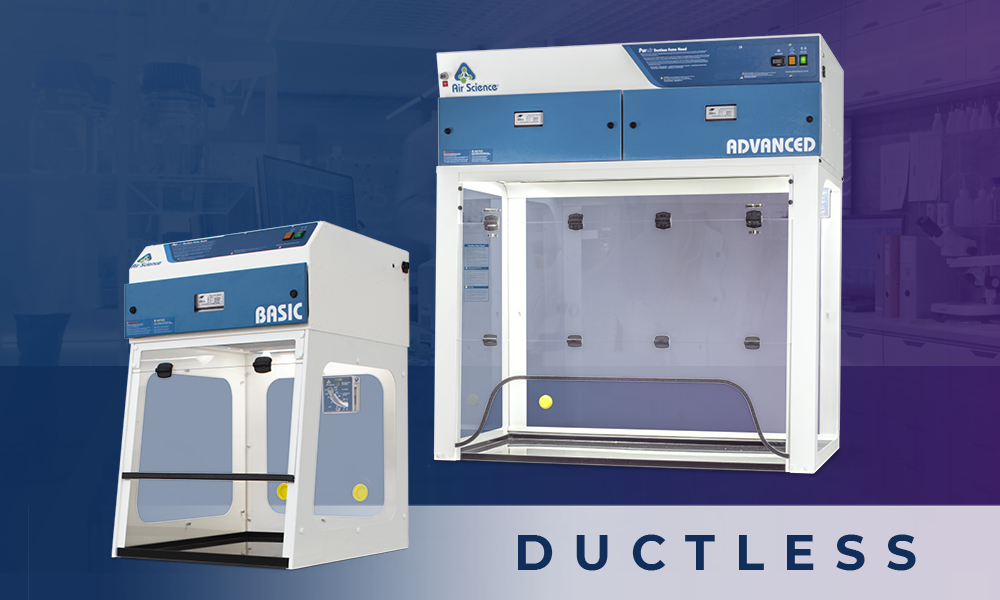
Fume hoods are used in a variety of applications to limit exposure to hazardous fumes and vapors or, with the use of HEPA or ULPA filters, even biologicals, dust or particulates. There are two main types of fume hoods – ducted and ductless. While both can be designed to protect the operator, the work surface, […]
Leading the Ductless Laboratory Equipment Market
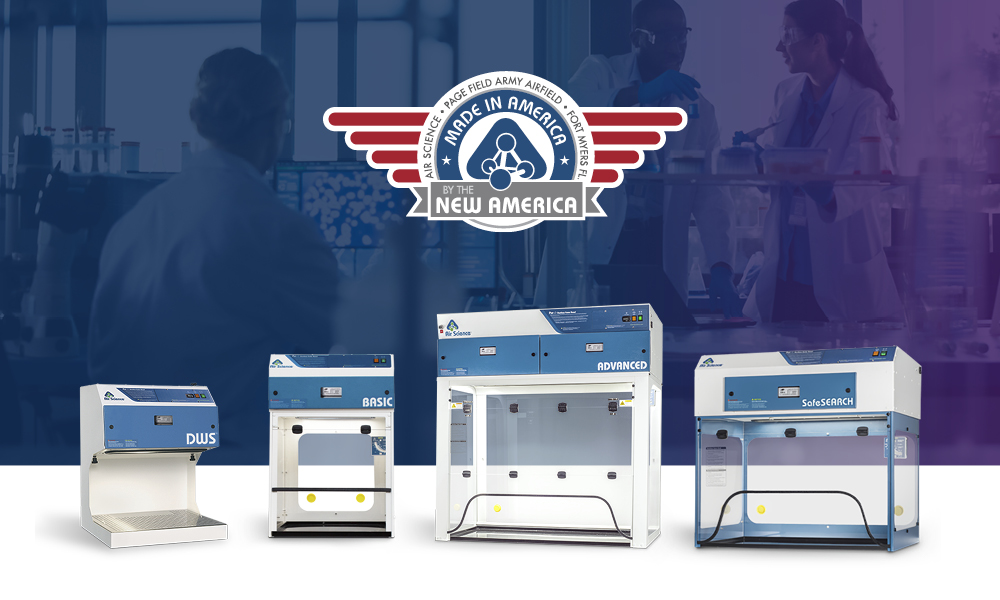
Since our start in 2002, we have sought to provide the highest level of design, engineering, and manufacturing of ductless technology. At the time, ductless technology was new, and facility managers were reluctant to trust personnel safety to a novel technology. We set out to make better equipment and educate the market on the safety […]