
Laminar Flow Cabinets: Meeting FDA and GMP Standards in Drug Safety and Contamination Control
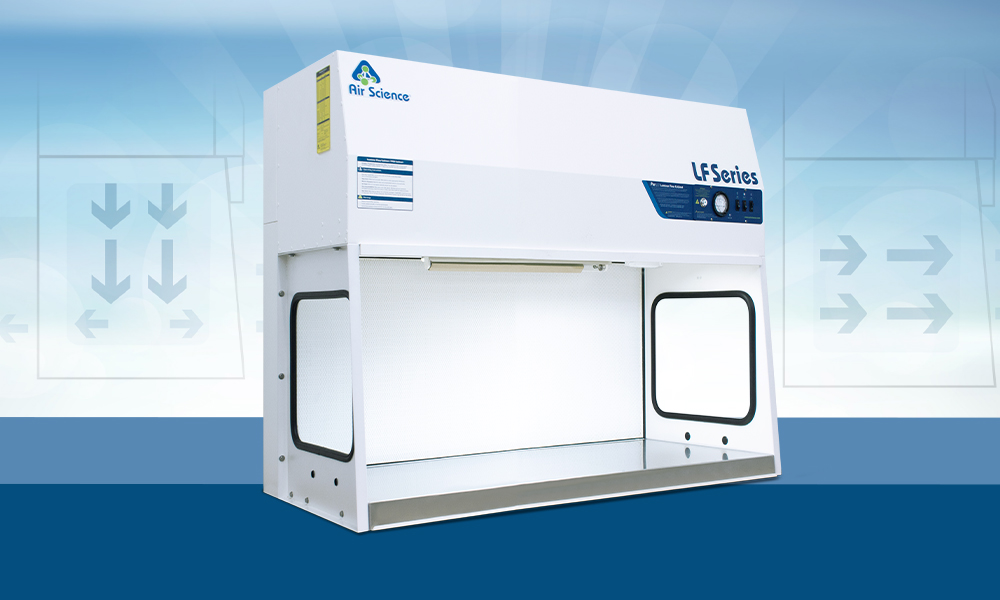
In the pharmaceutical and compounding industries, the safety and integrity of final drug products are non-negotiable. To ensure drug efficacy and patient safety, regulatory bodies like the U.S. Food and Drug Administration (FDA) enforce rigorous Current Good Manufacturing Practices (cGMP). At the heart of maintaining these standards is meticulous contamination control, a task where the […]
The Dead Air Box: Essential Tool for PCR Contamination Control
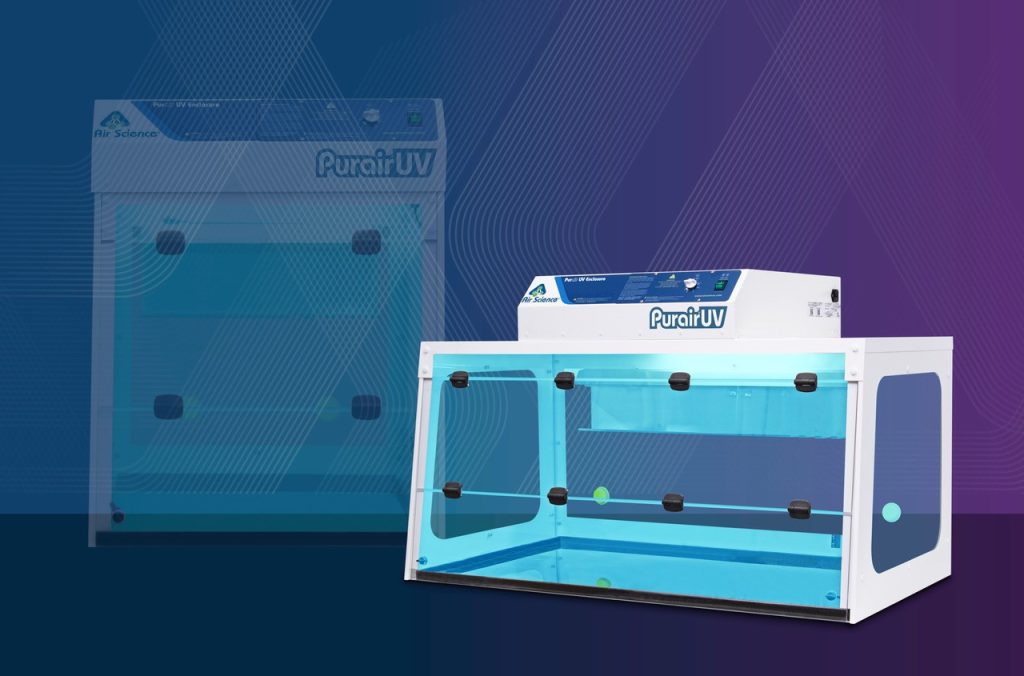
The integrity of the Polymerase Chain Reaction (PCR) relies on absolute precision and contamination control. Because the technique is designed to amplify even a single strand of DNA, the introduction of a contaminant, such as airborne dust or amplified product (amplicon) from a previous run, can lead to unreliable results and false positives. For labs […]
Containment Matters: How Rotary Evaporator Enclosures Reduce Risk
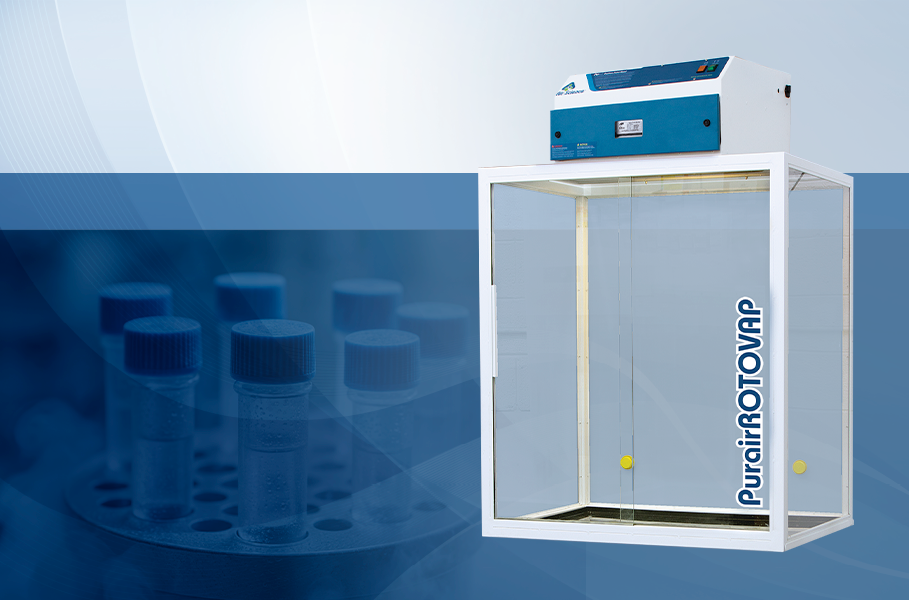
Rotary evaporators are essential tools in modern labs, routinely used to recover solvents, concentrate solutions, and isolate compounds. Traditionally, researchers set up their rotovaps inside a chemical fume hood to manage hazardous vapors. But while a fume hood does provide some protection, it isn’t always the best fit for rotary evaporation. Their vertical clearance can […]
How Often Should You Replace Laboratory Filters?
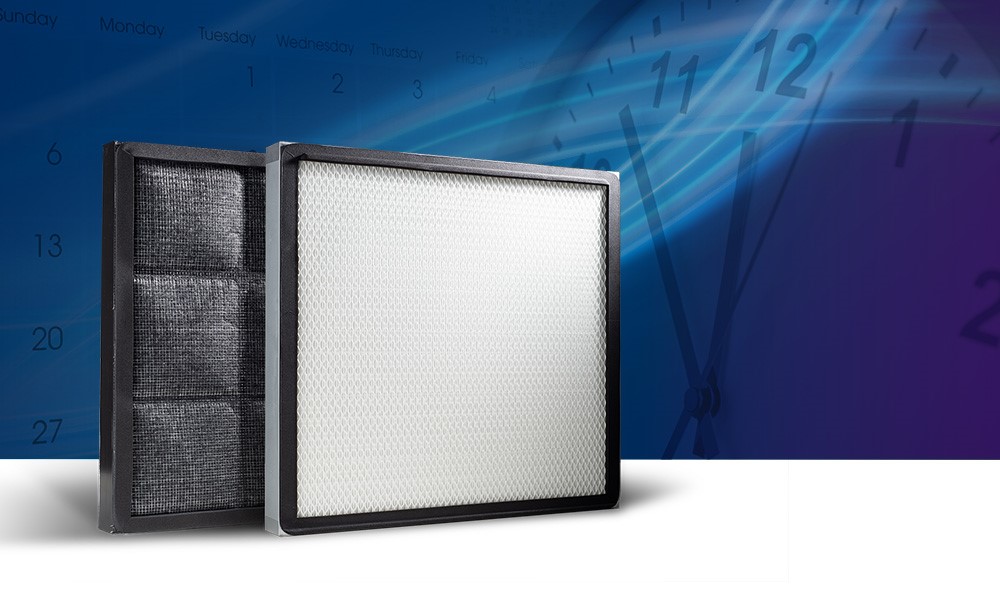
Maintaining air quality in your laboratory is critical for safety, compliance, and reliable results. HEPA and ULPA filters protect against fine particles and biological contaminants, while activated carbon filters adsorb chemical vapors and odors. Each type serves a specific purpose, but all share one requirement: timely replacement. Neglecting filter maintenance can reduce airflow, increase particle […]
The Importance of Containment in Animal Research
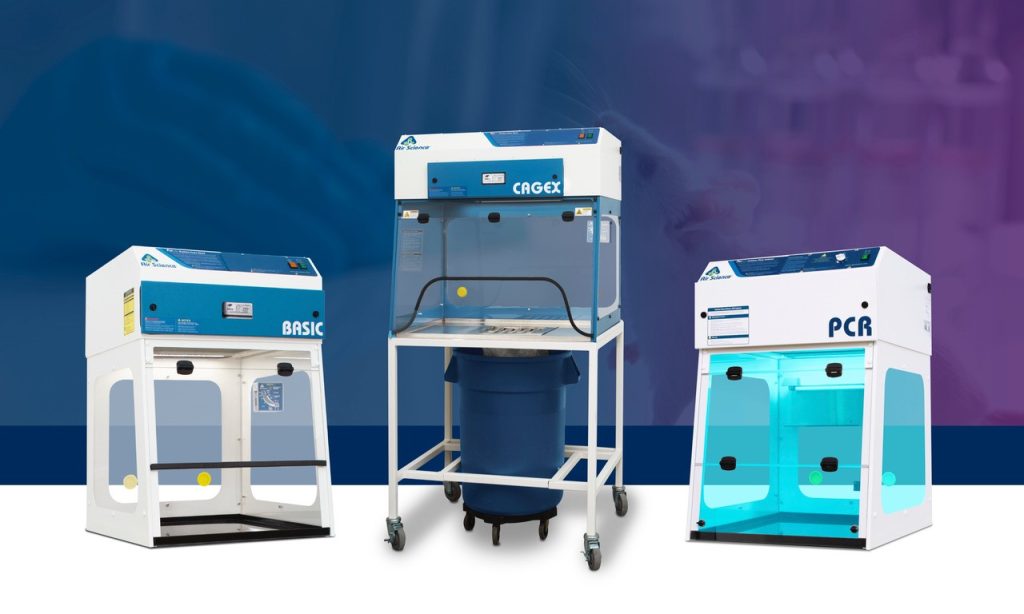
Why Containment Matters in Animal Research Laboratories working with animal models must protect both personnel and research animals from potential hazards. Exposure to allergens, bedding particles, or airborne contaminants can impact not only the health of workers but also the quality of the research results. At the same time, sensitive procedures such as PCR amplification […]
Enhancing Latent Fingerprint Development
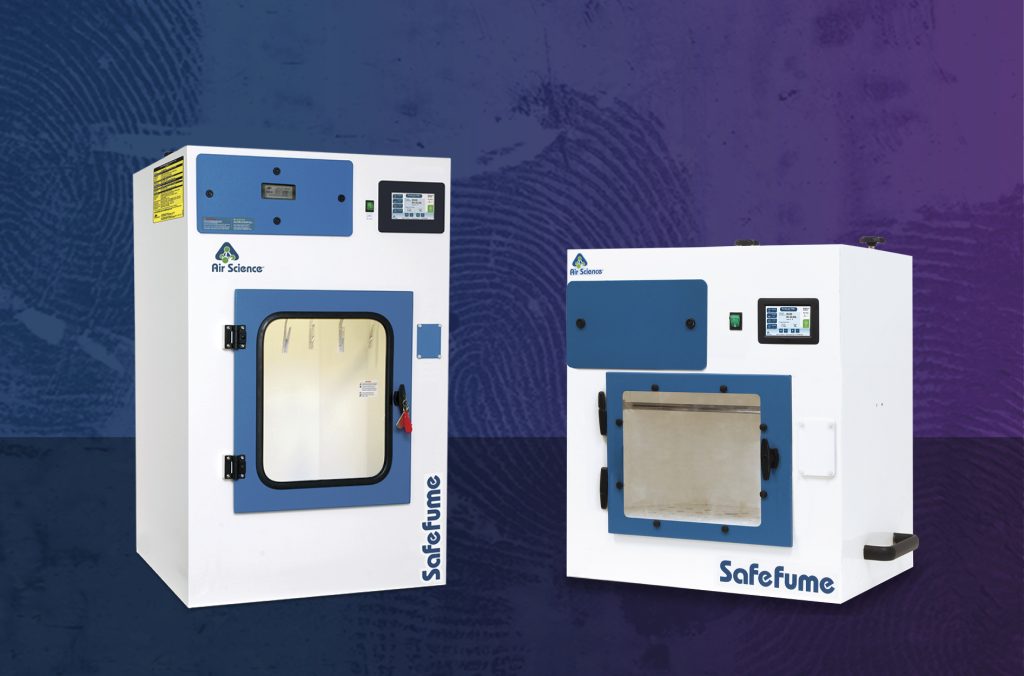
When even the smallest detail can lead to a breakthrough, forensic science applications demand precision. During latent fingerprint development, precision comes in the form of a controlled environment that can ensure repeatable accuracy while protecting the process and the work environment. Automated Cyanoacrylate Fuming for Accurate Fingerprint Development Cyanoacrylate fuming (also called the super glue […]
Expanding Protective Containment with Flexible Film Isolators
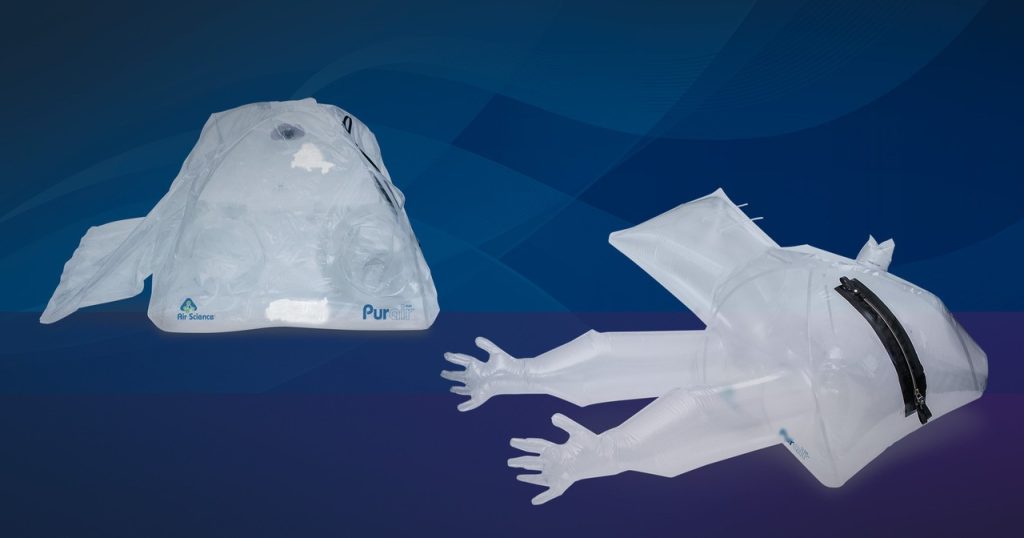
Glove boxes have long been essential in laboratories, providing sealed, inert environments for safely handling delicate or hazardous materials. Their rigid, fixed design offers strong containment, protecting both the work and personnel. However, their stationary nature limits their use outside traditional lab environments. Flexible film isolators, also known as ‘glove bags,’ offer a portable alternative […]
How to Find Fume Hoods That Contribute to a Greener Lab?

When looking to meet sustainability goals and improve overall energy efficiency, laboratory equipment often comes under review. Fume hoods are an essential piece of equipment that can also be one of the more substantial up-front expenditures. When looking to meet sustainability goals for a greener lab, however, it’s important to consider whether ducted or ductless […]
PCR Workstation vs. Biosafety Cabinet: Understanding the Differences
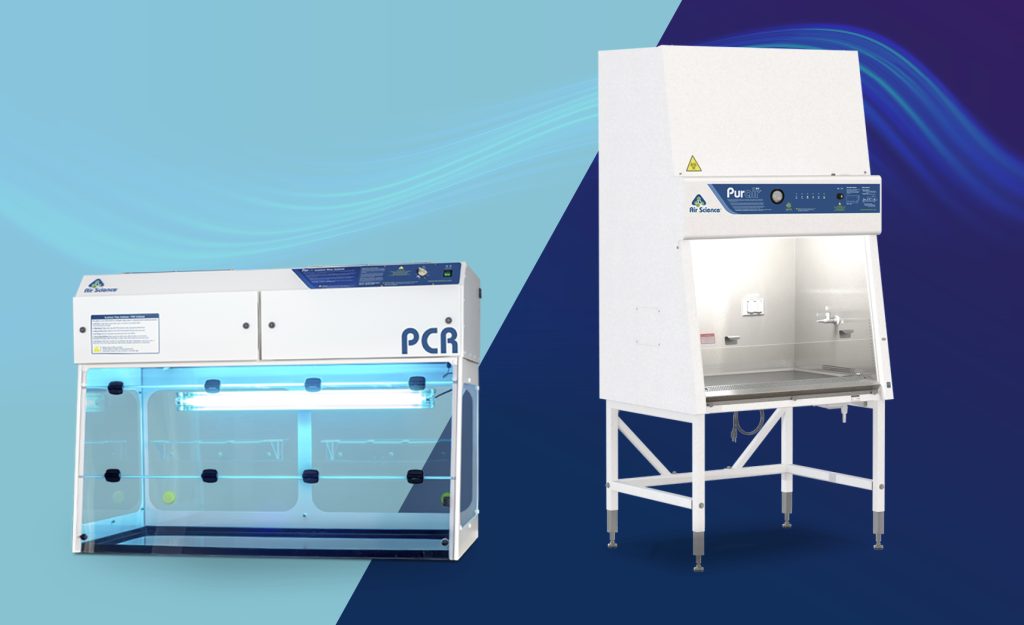
Selecting the appropriate equipment is crucial in laboratory environments where contamination control is paramount. When determining the most appropriate equipment for your contamination-sensitive application, it’s important to consider the purpose as well as the protection level. When it comes to PCR Workstations and Class II, Type A2 biosafety cabinets, or biological safety cabinets (BSCs), understanding […]
Dead Air Boxes vs. PCR Hoods: Key Differences for Lab Contamination Control
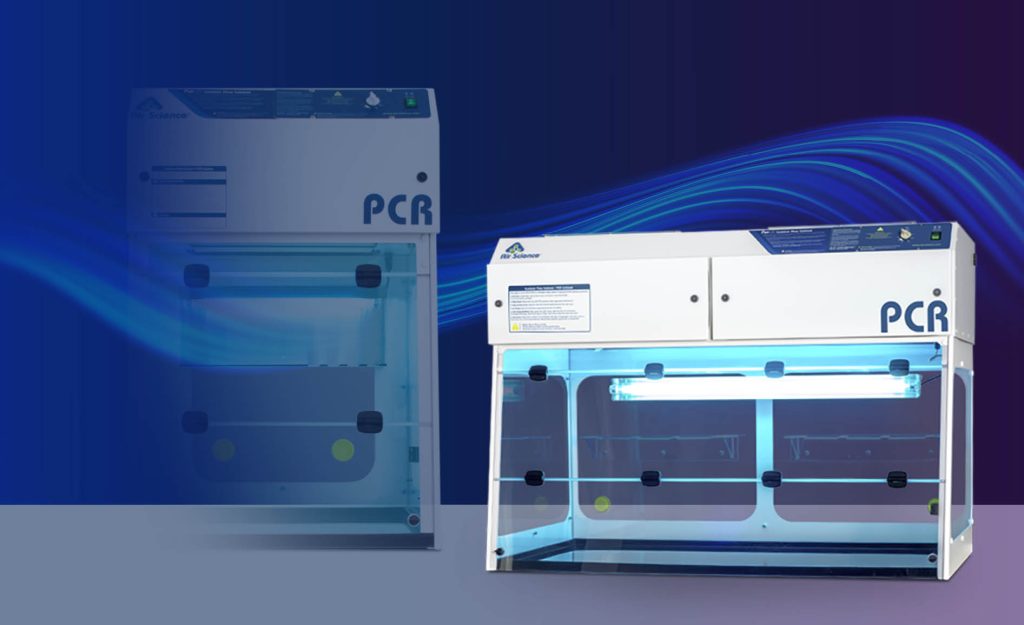
Selecting the right laboratory enclosure is critical for ensuring contamination-free workflows in molecular biology and PCR applications. While both Dead Air Boxes and PCR Hoods are designed to protect samples, they serve different purposes and offer distinct levels of protection. Dead Air Boxes create a circulation-free, still-air environment that is ideal for basic research and […]