
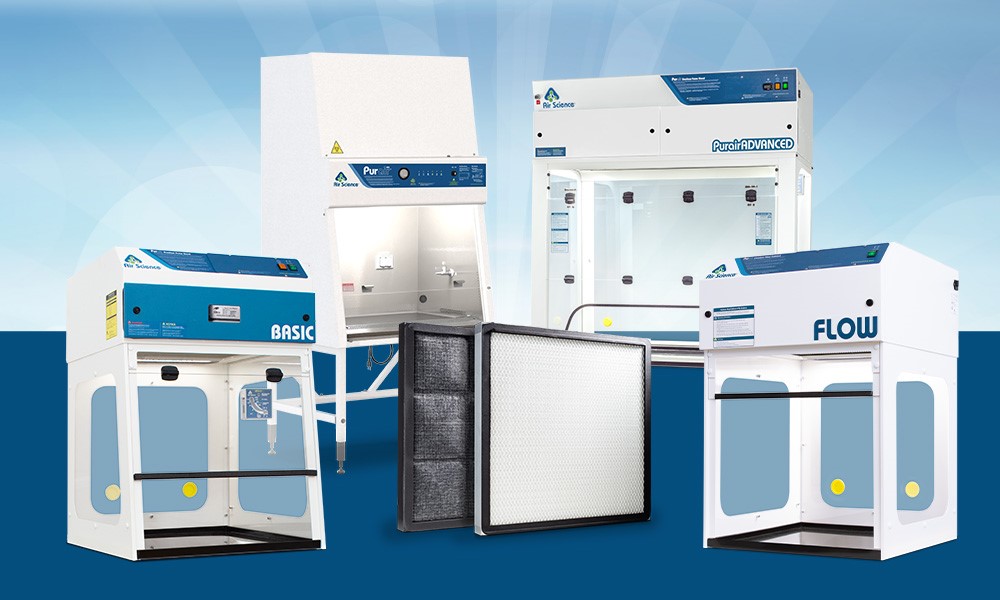
Fume hoods play a critical role in laboratory safety. Whether working with chemicals, solvents, or other hazardous or potentially hazardous substances, labs rely on containment systems to help protect personnel, maintain indoor air quality, and support safe daily operations.
With so many fume hood options available, understanding which features truly matter can help labs make informed decisions. Below are the essential fume hood safety considerations every lab should evaluate.
Why Fume Hood Safety Is Essential
Laboratory environments are dynamic. Procedures evolve, chemical use changes, and personnel rotate. A well-designed fume hood provides consistent protection by helping contain fumes at the source and reducing the risk of exposure during routine work.
Choosing the right fume hood is not simply a matter of equipment preference. It is a foundational part of a lab’s overall safety strategy and daily operating discipline.
1. Application-Based Equipment Selection
Different laboratory processes require different types of protection. Selecting the appropriate equipment is essential for both safety and performance.
Ducted and Ductless Fume Hoods
Fume hoods are designed to capture harmful or potentially harmful fumes and protect operator safety.
Ducted fume hoods exhaust contaminated air out of the building through a ventilation system.
Ductless fume hoods use carefully selected filtration media, such as activated carbon, to capture hazardous vapors before clean air is returned to the laboratory.
Both approaches are designed to protect personnel. The right choice depends on chemical use, facility infrastructure, and installation requirements.
Laminar Airflow for Particulate and Cross-Contamination Control
Laminar flow cabinets and PCR Workstations are intended to protect the work product rather than the user. By delivering a uniform, unidirectional flow of HEPA- or ULPA-filtered air across the work surface, laminar flow enclosures help minimize turbulence and reduce the risk of particulate contamination on the work surface or cross-contamination of PCR amplifications.
These systems are well-suited for applications where cleanliness is critical, but they are not designed for use with hazardous chemical fumes.
Biological Safety Cabinets
Class II Type A2 Biological Safety Cabinets (BSCs) are designed for work involving biological materials where personnel, product, and environmental protection are required. Through a combination of inward airflow, HEPA filtration, and controlled exhaust, BSCs help contain biological hazards that require a higher level of containment than standard fume hoods or laminar flow enclosures.
2. Choosing and Maintaining the Filter
Filtration plays a critical role in fume hood safety. Whether a system relies on activated carbon filters for chemical vapors or HEPA or ULPA filters for particulates, selecting the appropriate filter media is essential.
Equally important is ongoing filter maintenance. Filters must be replaced on a regular schedule to ensure continued performance and protection. Factors such as chemical usage, workload, and environmental conditions all influence filter lifespan.
Establishing a filter replacement plan and monitoring performance helps prevent breakthroughs, supports consistent containment, and extends the safe operation of the fume hood.
3. Safe Work Practices and SOP Adherence
Even the most advanced fume hood cannot compensate for unsafe work habits. Day-to-day safety depends on consistent adherence to laboratory standard operating procedures (SOPs) and best practices.
Key practices that support safe fume hood operation include:
- Keeping only active materials inside the hood to maintain proper airflow
- Avoiding storage of chemicals or equipment on the work surface
- Positioning work at the recommended depth inside the hood
- Using the sash correctly to support containment
- Ensuring users are trained on proper hood operation and limitations
These practices help maintain airflow performance, reduce exposure risks, and reinforce a strong safety culture within the lab.
Making the Right Choice for Your Lab
Fume hood safety is not defined by a single feature. It is the result of thoughtful design, reliable performance, proper filtration, and alignment with your lab’s specific applications and procedures.
By selecting the right equipment for your needs, maintaining filters, and reinforcing safe work practices, laboratories can create safer environments that support both productivity and confidence.
Explore Air Science’s range of fume hoods, laminar flow enclosures, biological safety cabinets, and high-quality replacement filters to find the right fit for your laboratory needs.