Biological Safety Cabinets

Protect Your Personnel, Products, and Laboratory Environment

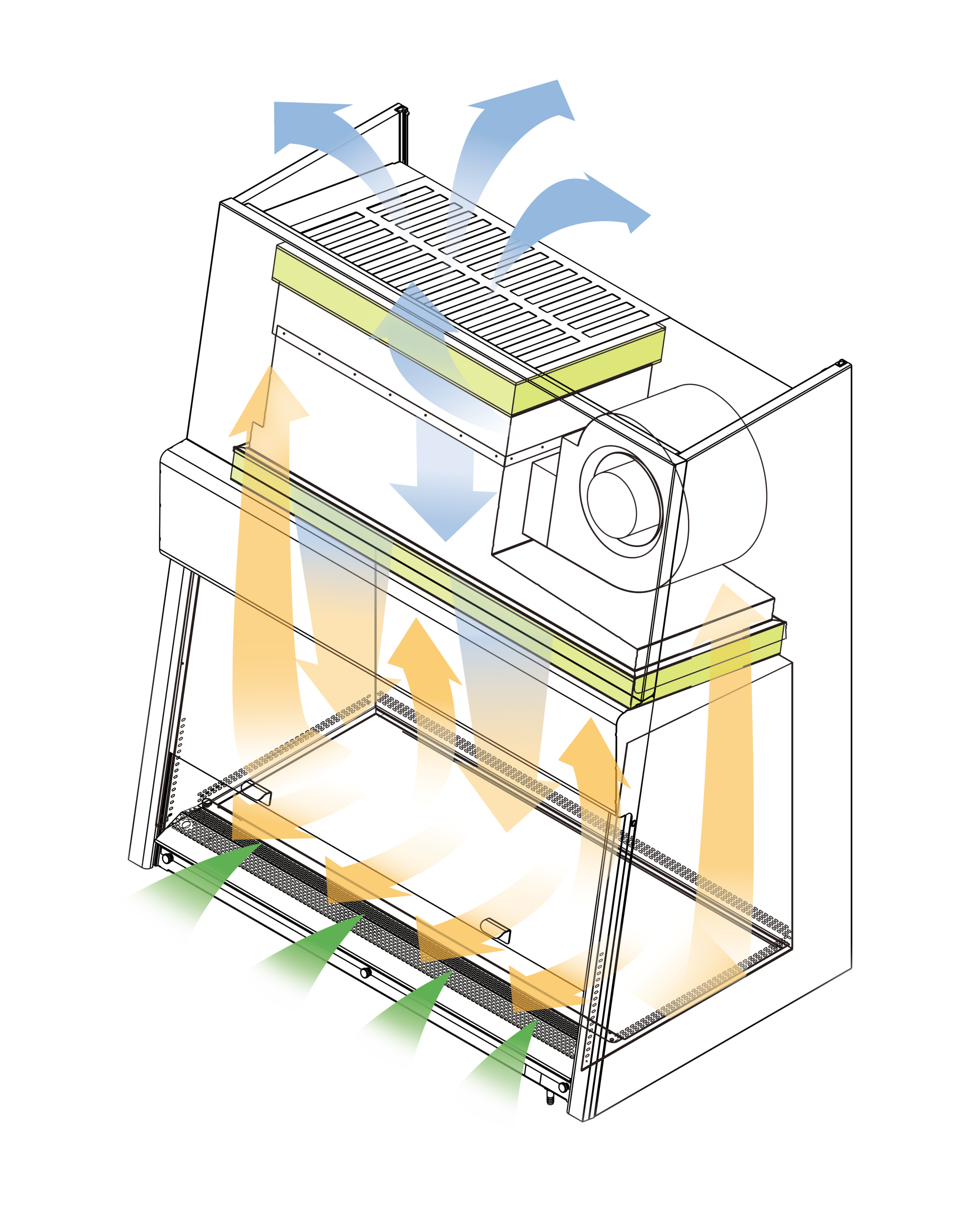
Three-Way Protection in Biosafety Cabinets

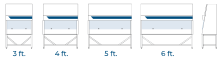
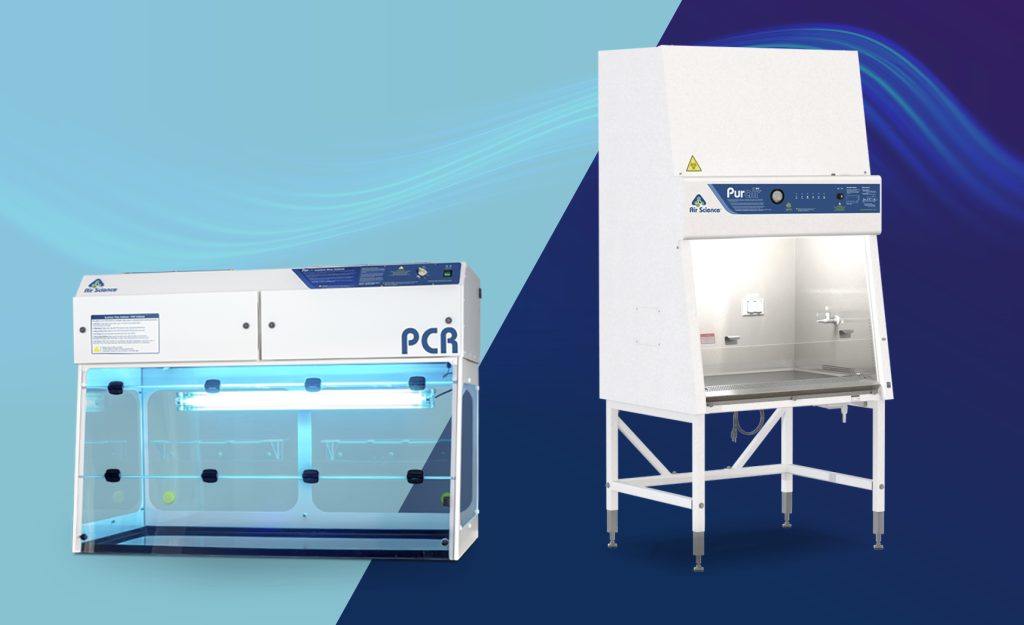
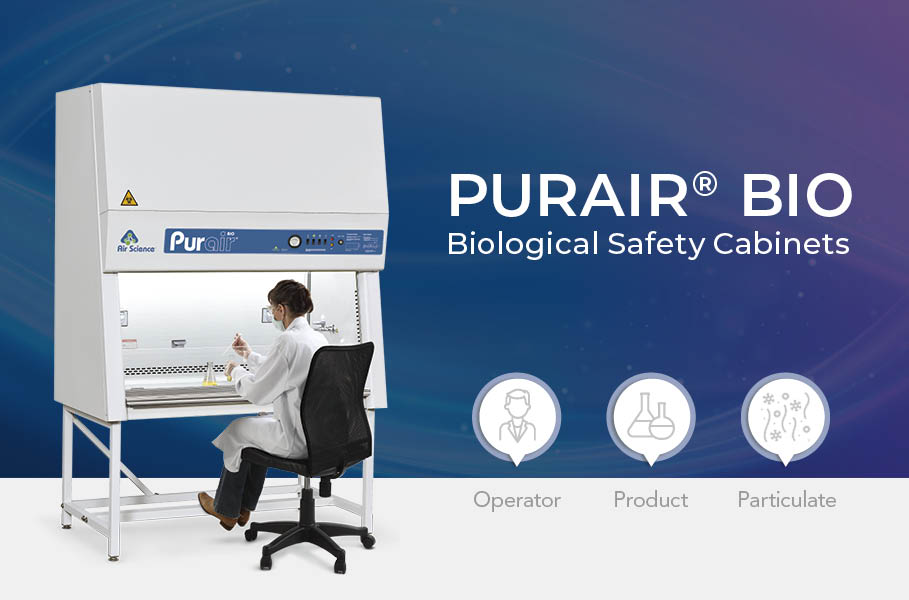
Purair® BIO Class II, Type A2 biological safety cabinets provide HEPA-filtered primary containment for life science research, cell culture processing and other applications requiring personnel, product and environmental protection. Featuring high-efficiency HEPA supply and exhaust filtration, an energy-efficient EC blower and a durable stainless steel work zone, Purair BIO combines reliable containment with efficient operation. Available in 3′, 4′, 5′ and 6′ models to accommodate a variety of laboratory needs.

Personnel Protection

Inward airflow helps prevent biological aerosols and particulates from escaping the work zone.

Product Protection

HEPA-filtered vertical downflow helps reduce contamination of the work area.

Environmental Protection

HEPA-filtered exhaust captures biological particulates before air leaves the cabinet.

IMPORTANT

A Class II, Type A2 biological safety cabinet (BSC) is designed to provide personnel, product and environmental protection from biological particulates and aerosols. Application suitability should be determined by a laboratory risk assessment that considers the biological agents, procedures and potential hazards involved. Biological safety cabinets should not be used as substitutes for chemical fume hoods when hazardous chemical vapor protection is required.

How Does a Biological Safety Cabinet Work?

A Class II, Type A2 biological safety cabinet uses controlled airflow and HEPA filtration to protect personnel, products and the environment. Room air is drawn inward through the front opening to help contain biological aerosols and particulates. HEPA-filtered air flows vertically over the work surface to reduce contamination, while exhaust air passes through a second HEPA filter. Approximately 70% of the air is recirculated within the cabinet, and 30% is HEPA-filtered before being exhausted.

Standards & Certifications

Purair BIO biological safety cabinets are available in configurations certified to NSF/ANSI 49 and EN 12469 standards for biological safety cabinet performance. Applicable models also meet electrical safety requirements and carry the CE Mark. Air Science maintains an ISO 9001:2015 quality management system.

Certifications vary by model and configuration, with NSF/ANSI 49 certification available on select 4 ft. and 6 ft. models. Specific certification requirements should be confirmed before ordering.

EN 12469

European Standard
Biological Safety Cabinets

Biological Safety Cabinet FAQs

Below are answers to our frequently asked questions and links to additional helpful information.

A biological safety cabinet (BSC) is a ventilated laboratory enclosure designed to protect personnel, products and the environment from biological aerosols and particulates. Class II biological safety cabinets use controlled airflow and HEPA filtration to provide three-way protection.

A Class II, Type A2 biological safety cabinet draws room air inward through the front opening to help contain biological aerosols. HEPA-filtered air flows downward over the work surface, while approximately 70% of the air is recirculated and 30% passes through an exhaust HEPA filter before leaving the cabinet.

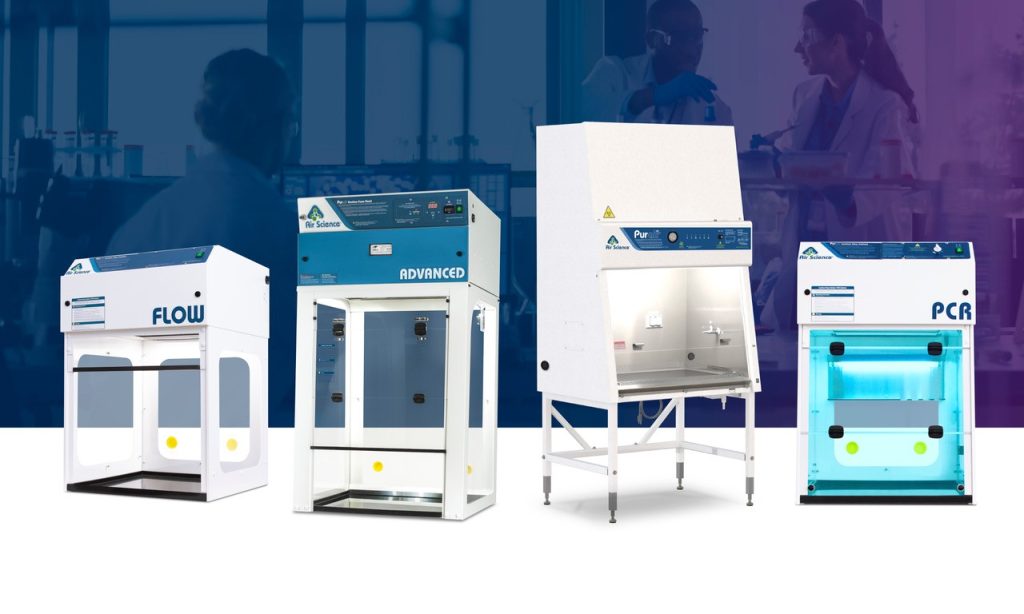
A biological safety cabinet provides personnel, product and environmental protection. A laminar flow clean bench primarily protects the product or work area from contamination and does not provide the same personnel protection from biological hazards. Vertical Laminar Flow Cabinet vs Biological Safety Cabinet

Biological safety cabinets are primarily designed for biological hazards. HEPA filters capture particulates but do not remove chemical vapors or gases. Chemical use requires a risk assessment to determine whether the cabinet and exhaust configuration are appropriate.

Yes. Biosafety cabinet and biological safety cabinet are commonly used interchangeably and are often abbreviated BSC. In the UK and Europe, the term microbiological safety cabinet is also commonly used.

Class II refers to biological safety cabinets designed to provide personnel, product and environmental protection. Type A2 cabinets use inward airflow, HEPA-filtered vertical downflow and HEPA-filtered exhaust. Purair® BIO Type A2 cabinets recirculate approximately 70% of their air and exhaust approximately 30% through HEPA filtration.

Not necessarily. Purair® BIO Class II, Type A2 cabinets can operate in a recirculating configuration with HEPA-filtered exhaust returned to the laboratory. Optional exhaust connections may be available depending on installation requirements.

NSF/ANSI 49 is a U.S. standard addressing biological safety cabinet design, construction and performance. EN 12469 is a European standard for microbiological safety cabinet performance. Purair® BIO certifications vary by model and configuration, with NSF-certified configurations available on select 4 ft. and 6 ft. models.

Purair® BIO Class II, Type A2 biological safety cabinets are available in 3 ft., 4 ft., 5 ft. and 6 ft. models to accommodate different laboratory spaces and workflow requirements.

Biological safety cabinets should be field-certified by qualified personnel after installation and at least annually. Additional certification is typically required after relocation, HEPA filter replacement or maintenance that may affect cabinet performance.

Purair® BIO Class II, Type A2 biological safety cabinets are designed for applications involving biological agents at Biosafety Levels 1, 2 and 3. However, suitability depends on the specific biological agent, laboratory procedures, facility requirements and institutional risk assessment.

Class II biological safety cabinets are available in different types based on their airflow and exhaust configurations. Type A2 cabinets, such as Purair® BIO, recirculate approximately 70% of their air and exhaust approximately 30% through HEPA filtration. Type B1 and B2 cabinets use different exhaust arrangements, with Type B2 cabinets exhausting all air rather than recirculating it. The appropriate type depends on the application’s safety requirements.

Biological Safety Cabinet Resources

Not Sure Which Biological Safety Cabinet You Need?

Air Science can review your application, biological agents, procedures, and laboratory requirements to help determine the appropriate biological safety cabinet for your needs.