Fumechambers: Chemical Development of Latent Fingerprints
It’s no secret that fingerprints are as unique as the individuals they belong to. This
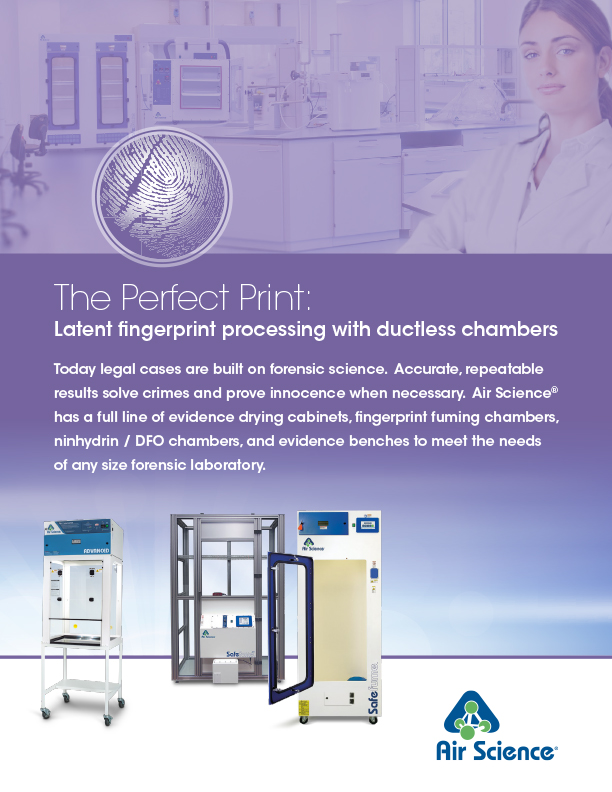
Air Science® manufactures specialized forensic laboratory equipment designed to support evidence handling, processing and preservation. From evidence drying cabinets and fingerprint development chambers to downflow workstations, ductless fume hoods and evidence benches, our solutions help crime laboratories, law enforcement agencies and forensic professionals manage a variety of evidence-processing applications. Each product is designed to support specific requirements for personnel protection, contamination control, evidence integrity and efficient laboratory workflows.
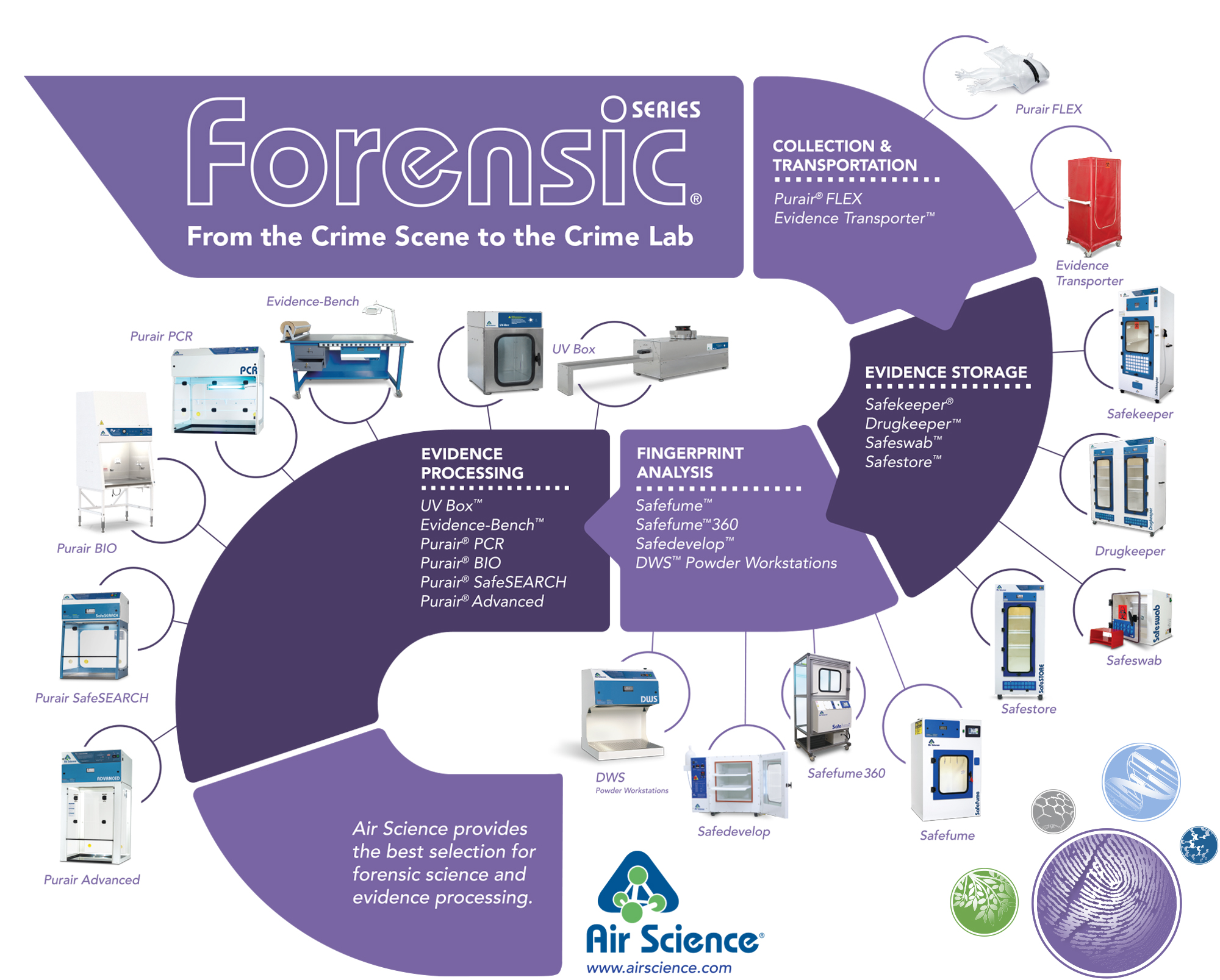
Air Science forensic equipment supports multiple stages of evidence handling, from collection and transportation through drying, fingerprint development, chemical examination, DNA preparation and storage. Each stage requires equipment designed for specific evidence types, processing methods and safety requirements.
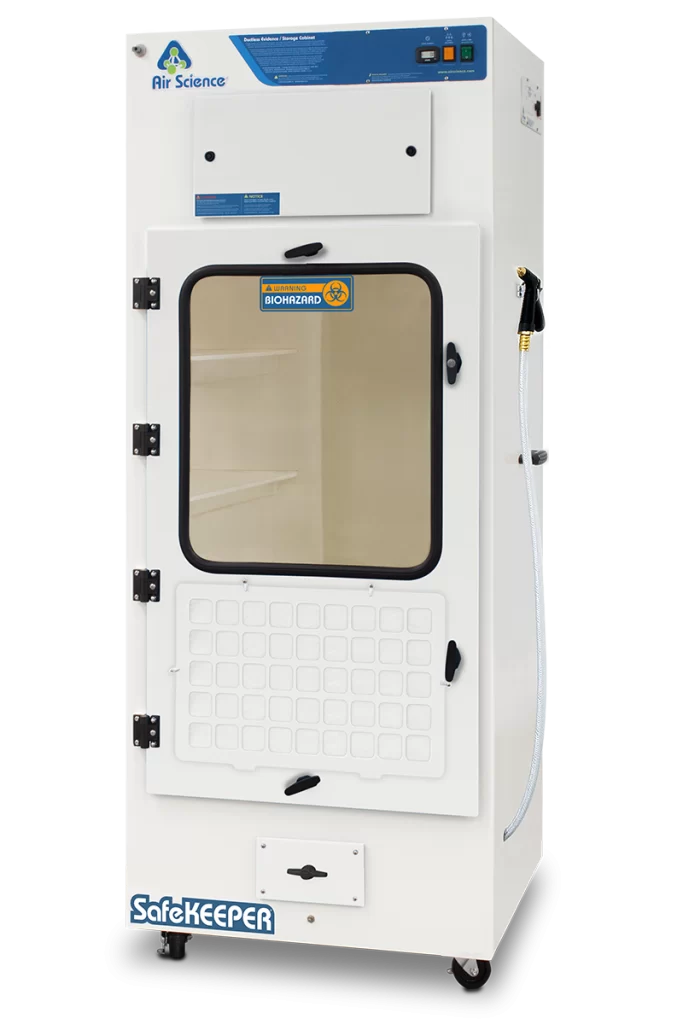
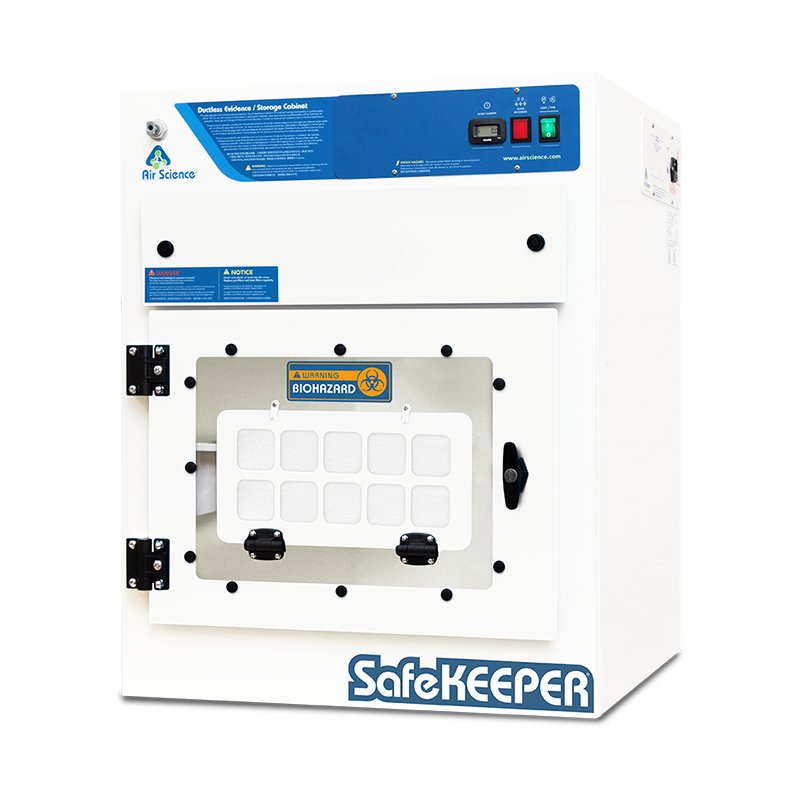
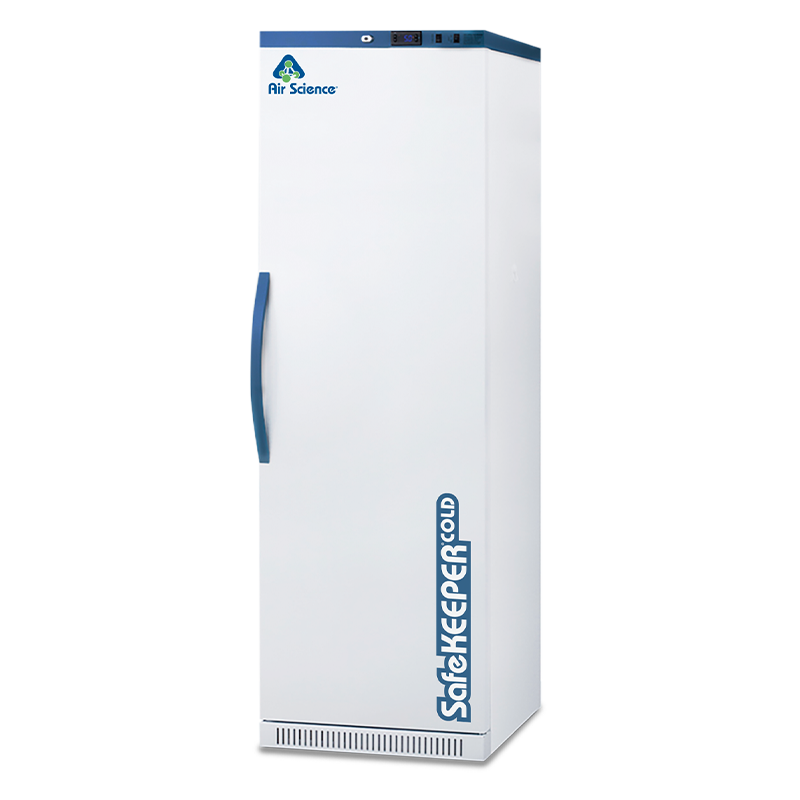
Designed to dry wet or biological evidence in a controlled, tamper-resistant compartment before storage or further analysis.
Constant airflow and application-specific filtration help manage airborne contaminants and odors during evidence drying.
The enclosed cabinet supports secure evidence handling and chain-of-custody procedures.
Available in benchtop and floor-standing configurations, with select models offering multiple independent drying chambers.
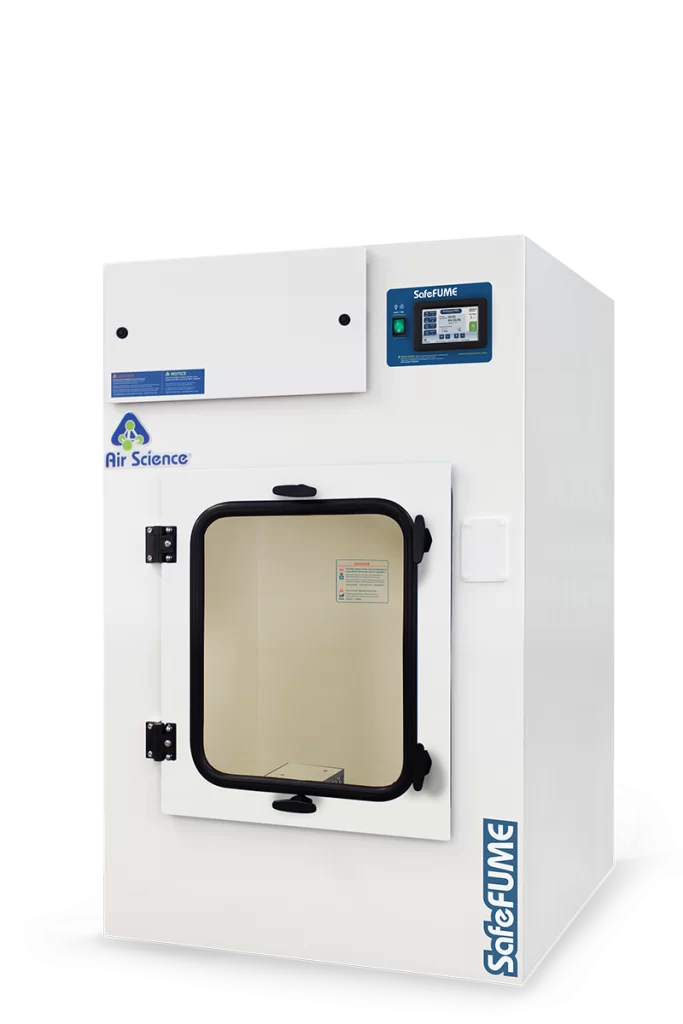
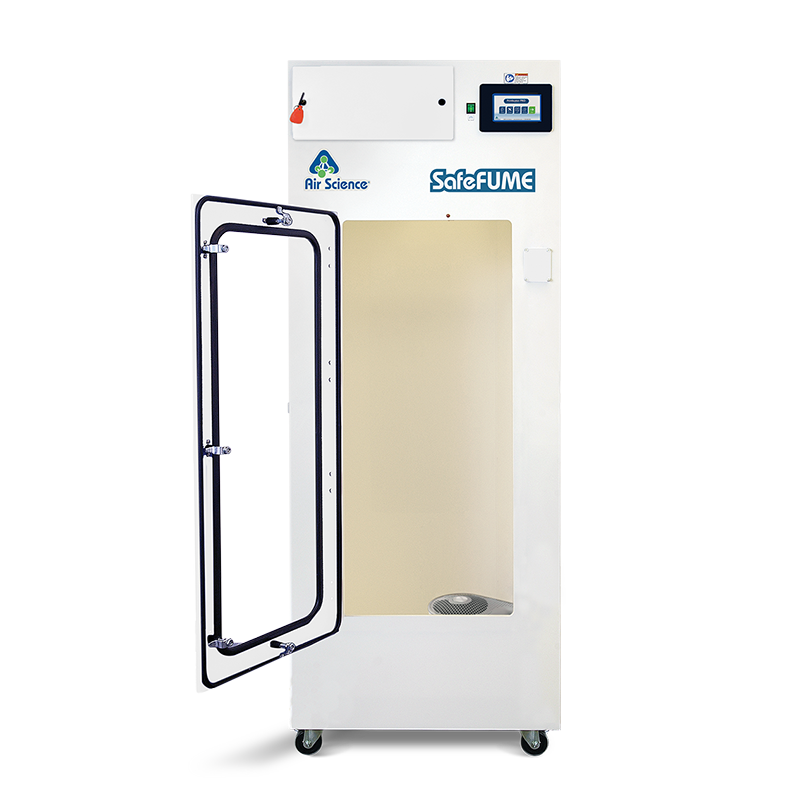
SafeFUME uses controlled cyanoacrylate fuming to develop latent fingerprints on glass, plastics, metals and other non-porous surfaces.
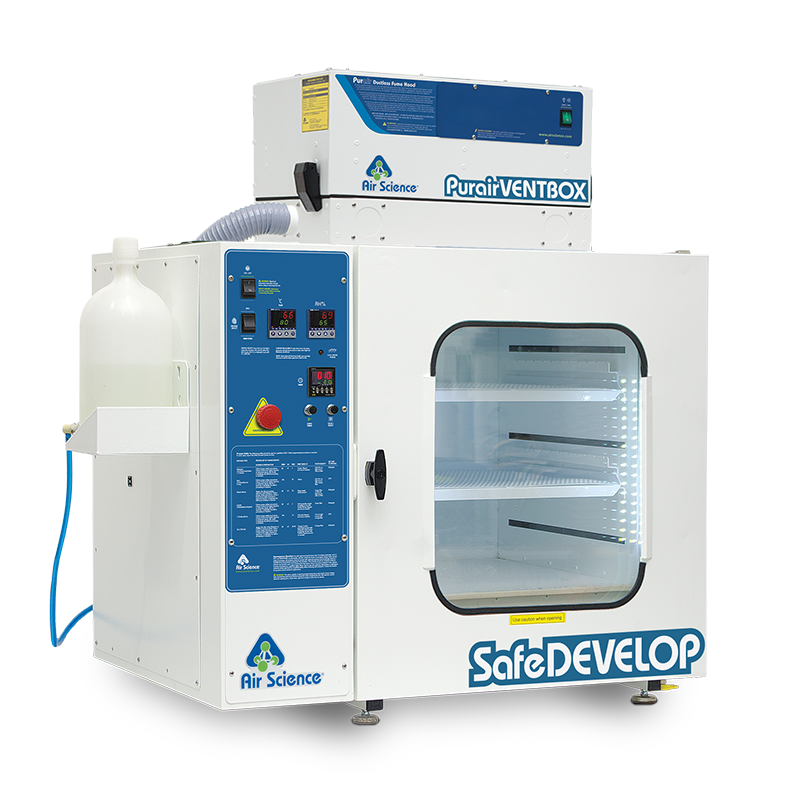
SafeDEVELOP supports latent fingerprint development on paper, documents and other porous evidence using DFO, ninhydrin and related methods.
Purpose-built chambers provide controlled processing conditions to support consistent, repeatable fingerprint development.
SafeFUME chambers range from benchtop to larger reach-in systems, including SafeFUME™ 360 for additional processing requirements.
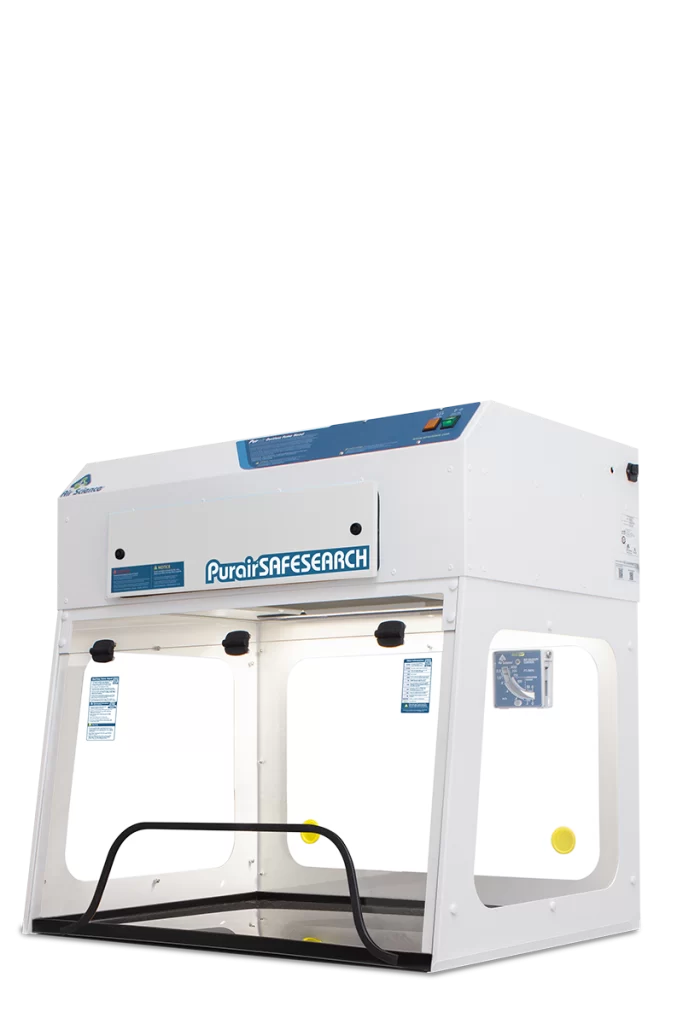
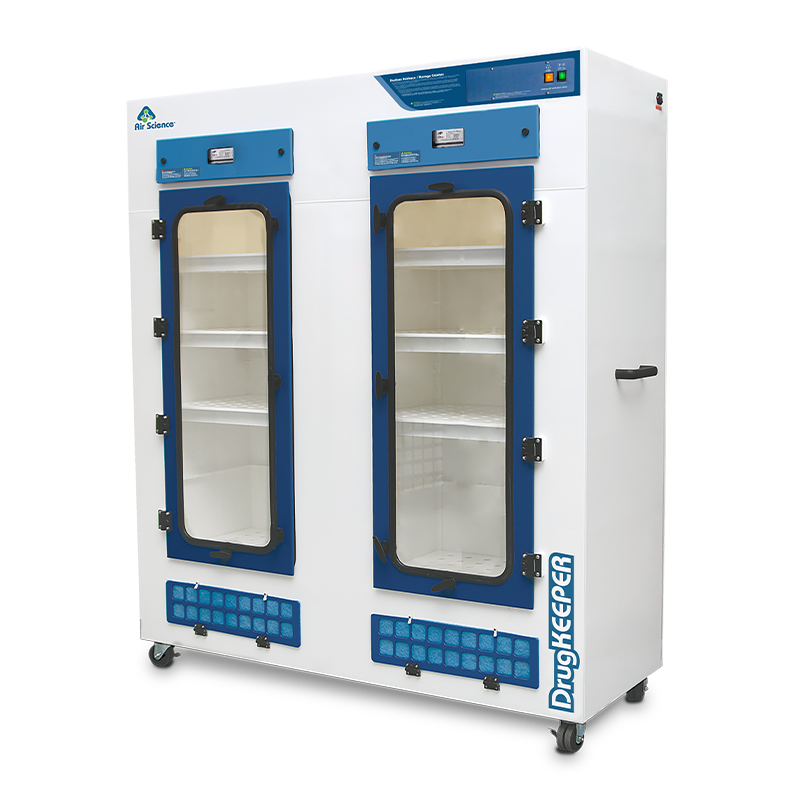
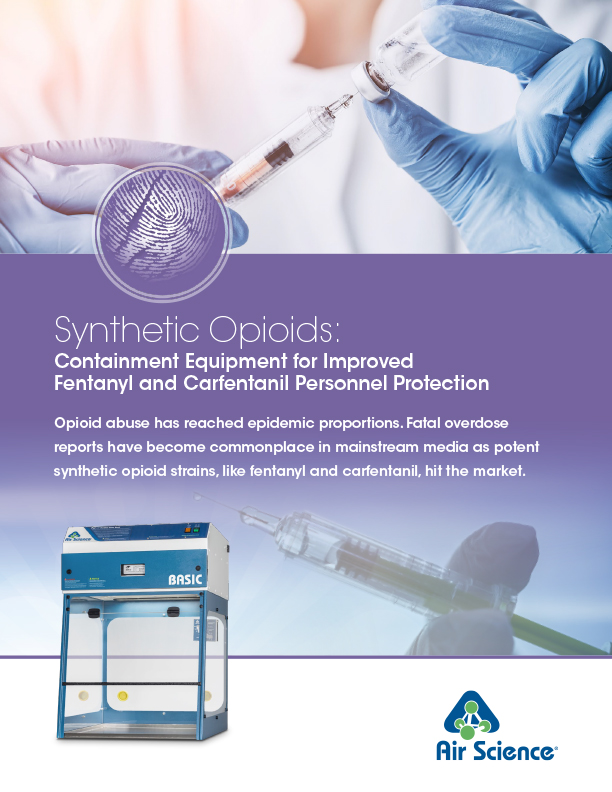
Designed for forensic examination and screening of suspected drug evidence and other potentially hazardous materials.
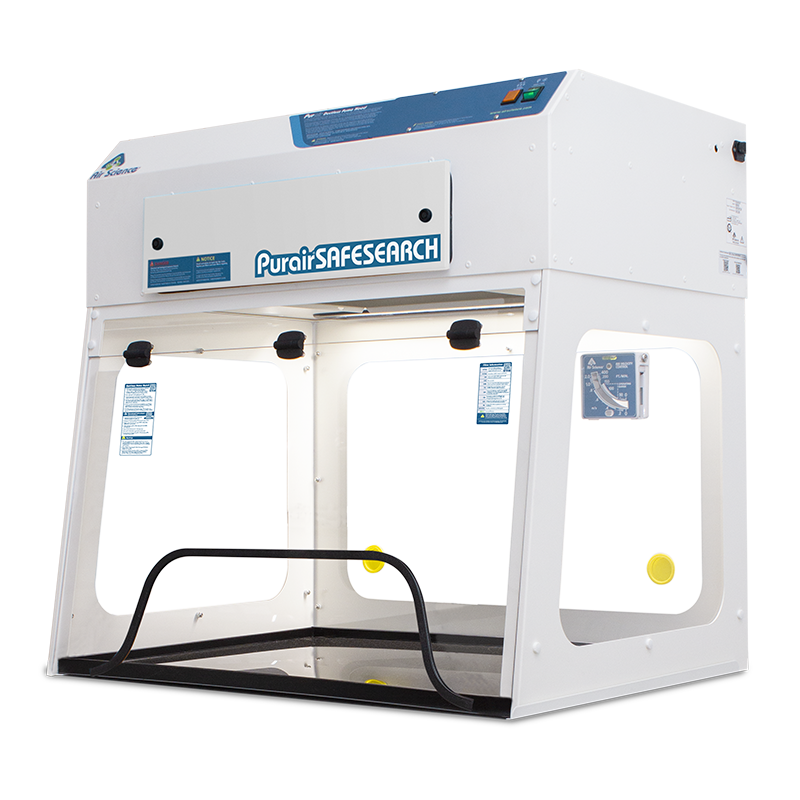
Provides filtered containment for forensic procedures where chemical vapors may be generated.
Appropriate filtration helps control airborne particulates generated during evidence examination.
Filtration should be selected based on the specific chemicals, quantities and procedures involved.
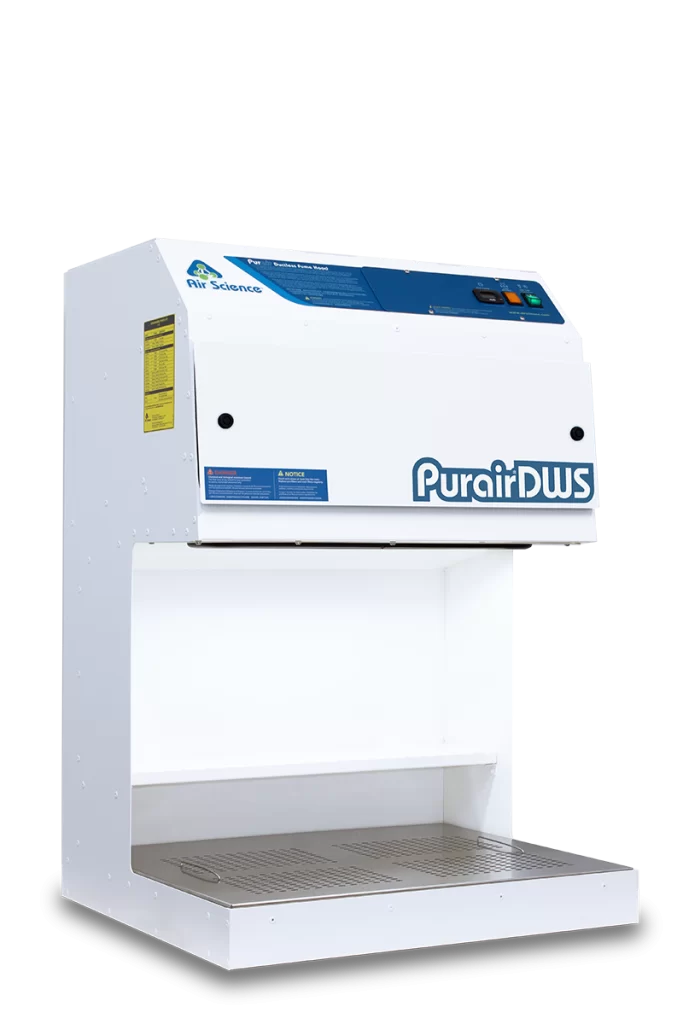
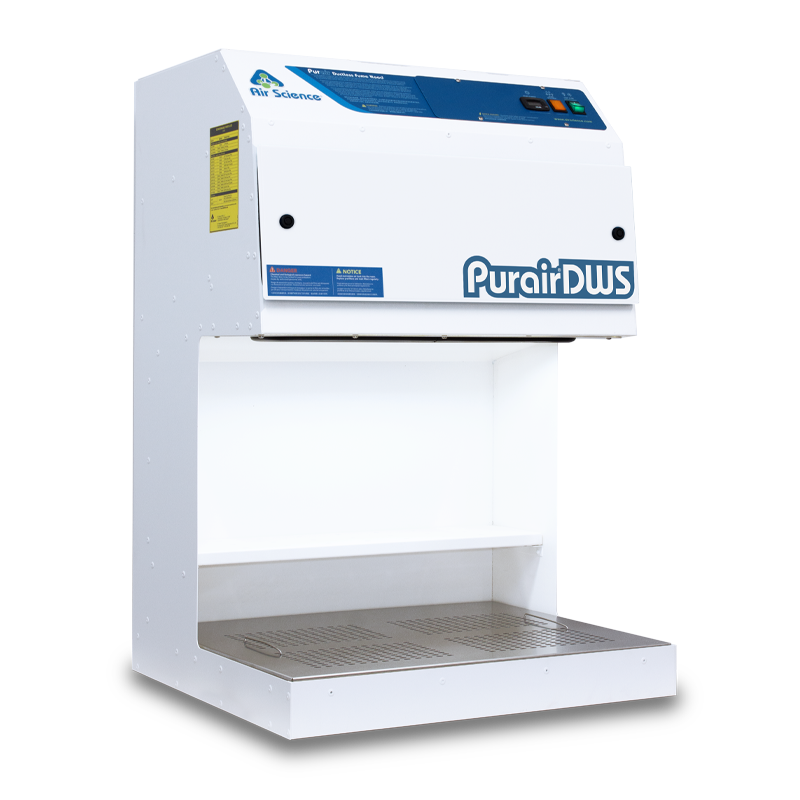
Downward airflow helps control airborne contaminants generated at the work surface during forensic procedures.
Open front and side access allows convenient handling of evidence during processing.
Designed for hands-on fingerprint powder processing and related procedures that generate airborne particulates.
The accessible workstation design accommodates evidence items, including long guns, that require unrestricted access during processing.
Forensic evidence drying cabinets designed for controlled drying and secure handling of wet or biological evidence.
Cyanoacrylate fuming chambers designed to develop latent fingerprints on non-porous evidence under controlled conditions.
Fingerprint development chambers for processing porous evidence using DFO, ninhydrin and related methods.
Downflow workstations with open front and side access for fingerprint powder processing and particulate control.
Ductless fume hoods providing filtered containment during drug, chemical and other forensic evidence examination.
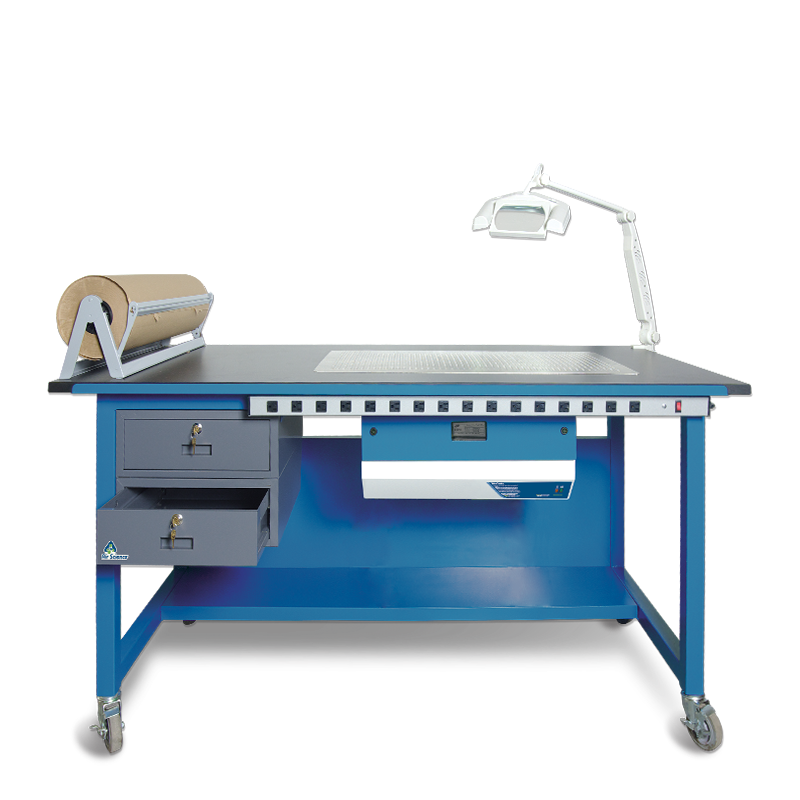
Dedicated forensic workstations designed to support high-volume evidence examination and processing.
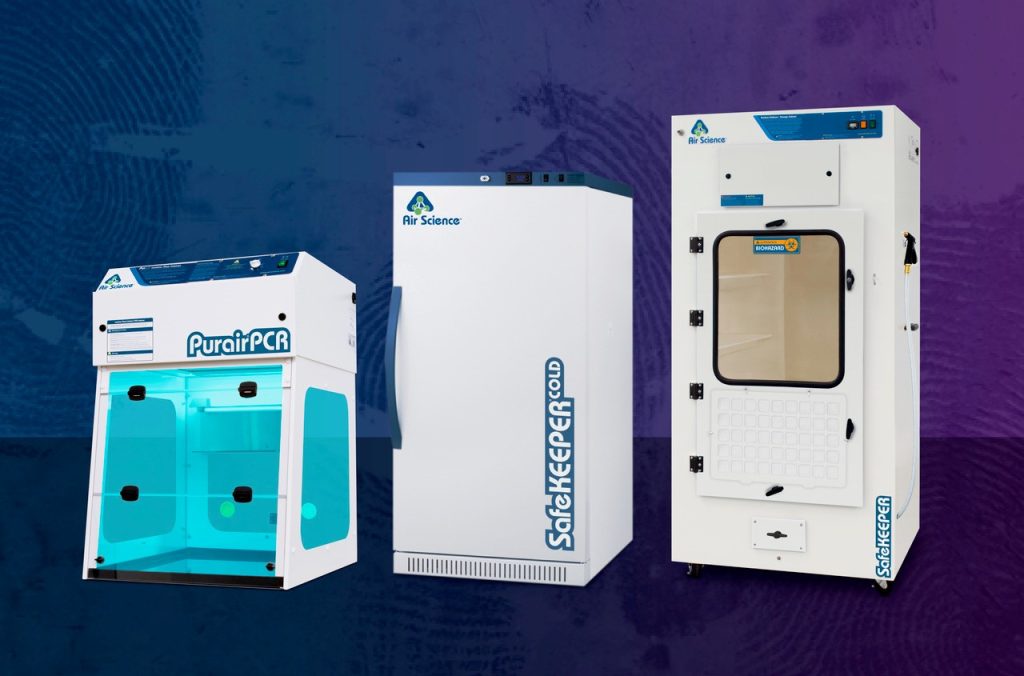
Temperature-controlled evidence storage with security features for sensitive biological evidence.
Designed for short-term storage of hazardous chemicals and substances associated with drug investigations.
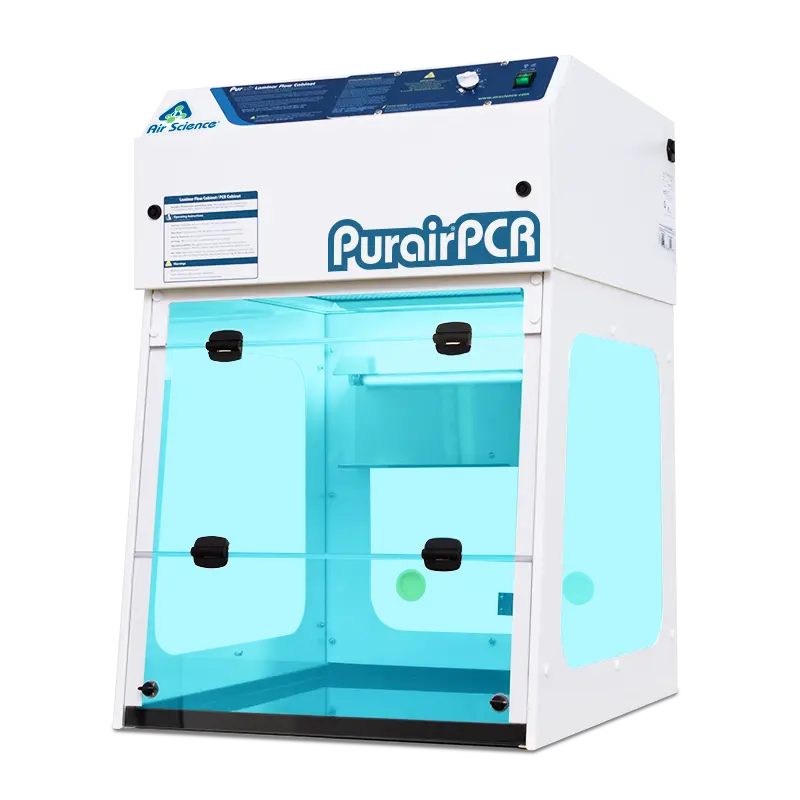
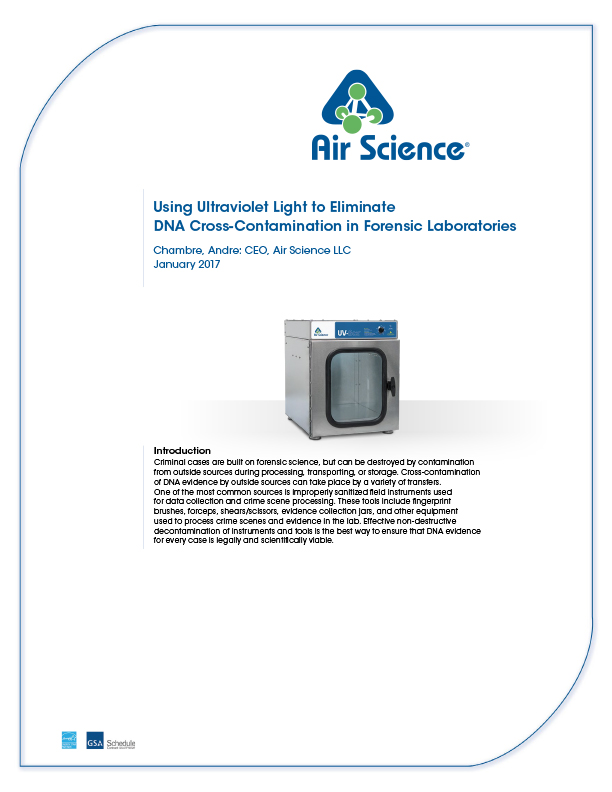
Clean workstations designed to help prevent contamination during forensic DNA and PCR sample preparation.
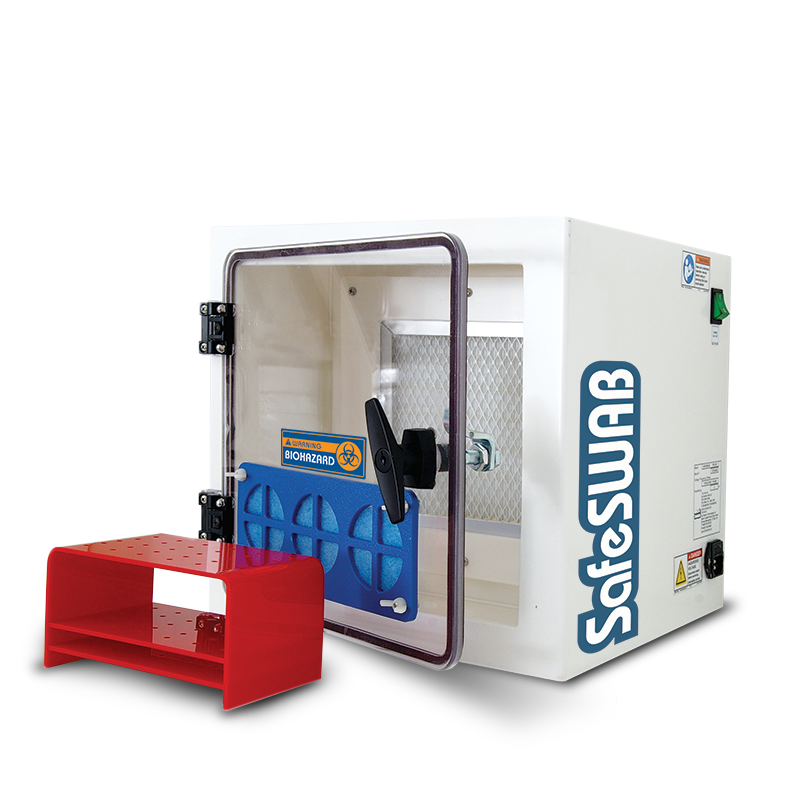
Controlled-airflow equipment designed for handling biological evidence collected on swabs.
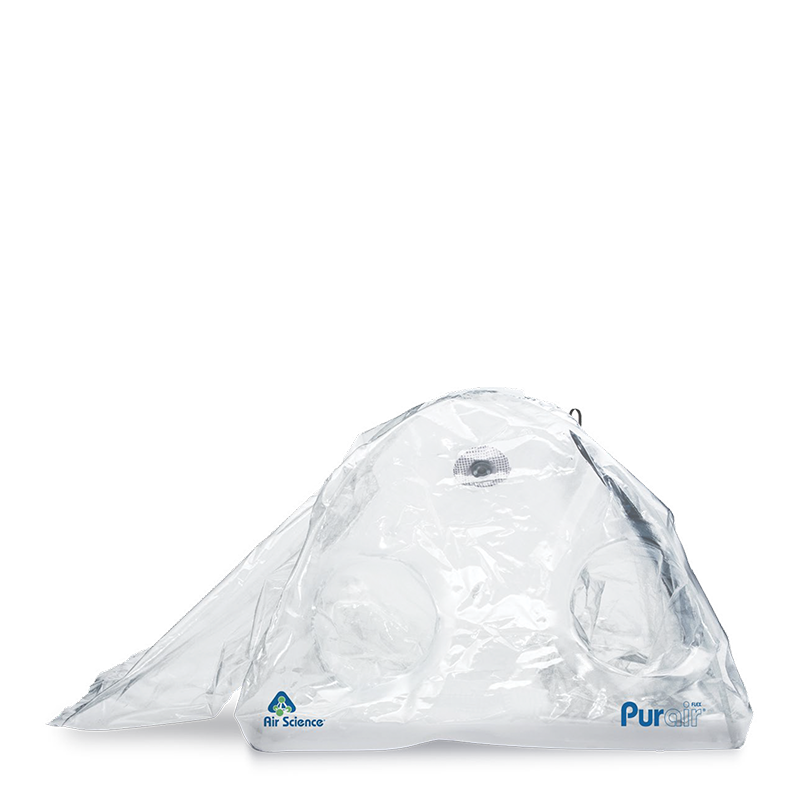
Portable containment solutions for field and temporary evidence-processing applications.
Biological containment equipment designed to provide personnel, product and environmental protection.
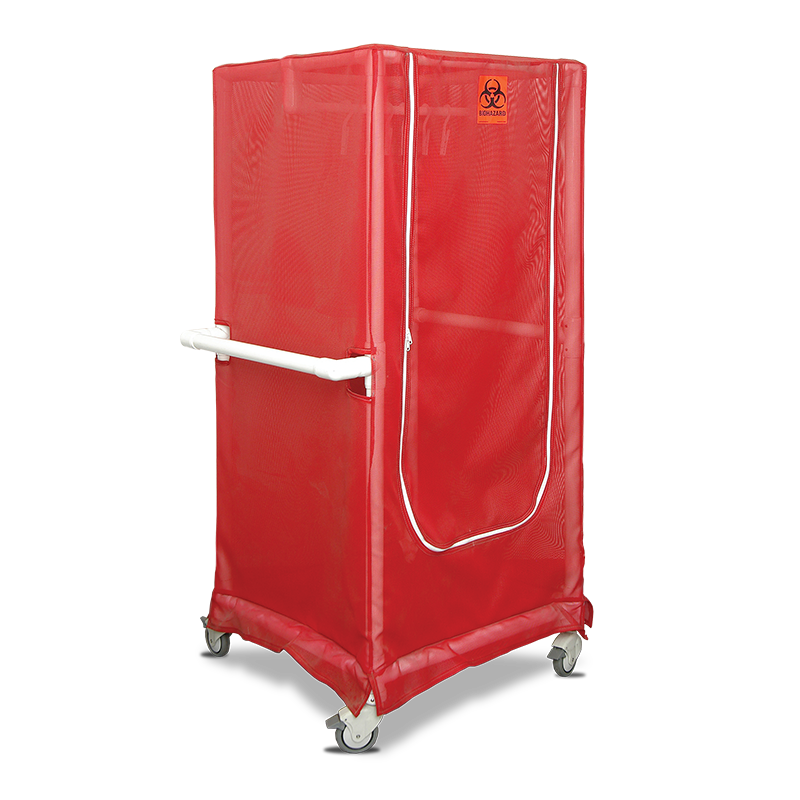
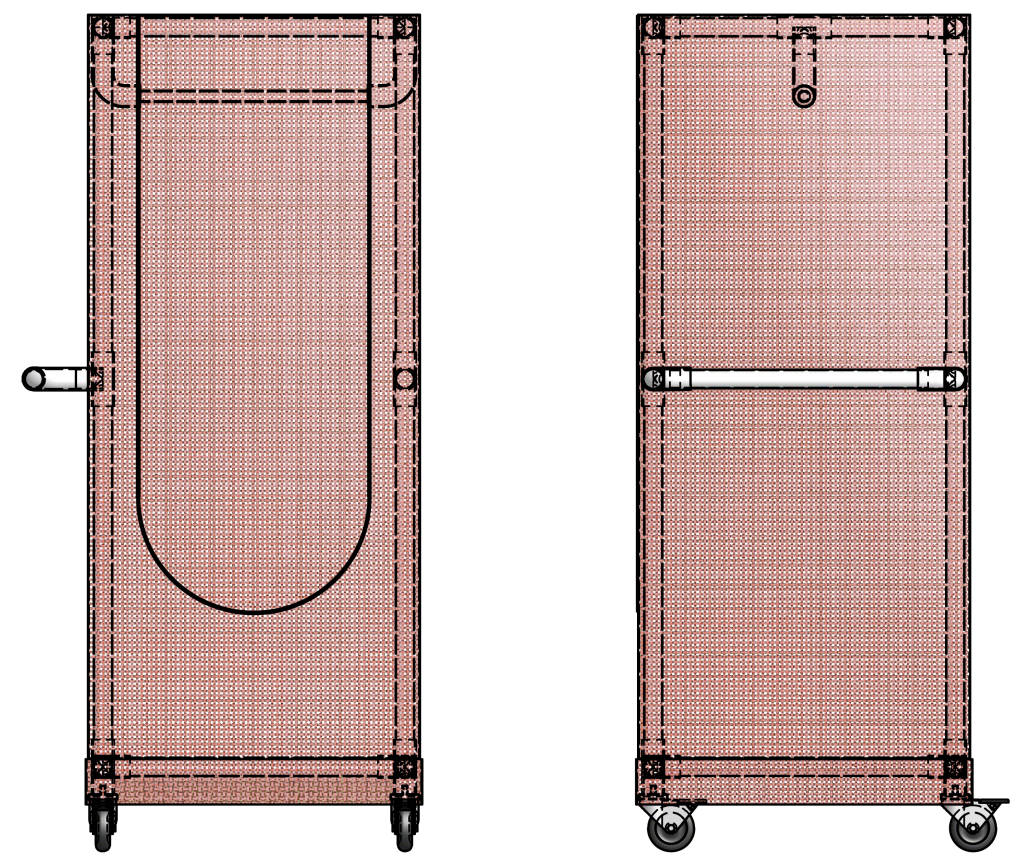
Supports evidence transportation and drying from the field to the laboratory.
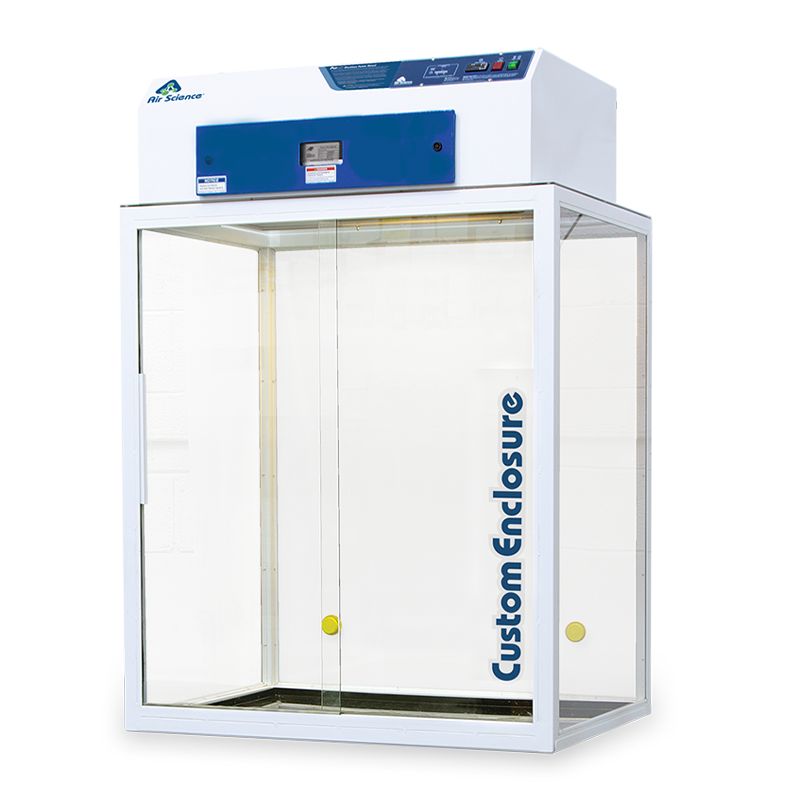
Custom forensic enclosures designed with specialized dimensions, materials, airflow and accessories to accommodate specific equipment and workflows.
Understanding protection requirements is essential when selecting forensic laboratory equipment.
A product that protects evidence from contamination does not necessarily protect the operator from hazardous materials, and equipment designed for chemical containment may not provide biological containment. Review the hazards and required protection before selecting a forensic workstation, hood, cabinet or chamber.

It’s no secret that fingerprints are as unique as the individuals they belong to. This

Forensic mycology brings numerous benefits to criminal investigations. Mold growth on organic matter can help

From state and federal crime laboratories to hospital emergency rooms, mobile evidence drying cabinets are
The landscape of forensic science is evolving at an unprecedented pace. As the discipline moves
Below are answers to our frequently asked questions and links to additional helpful information.
Forensic laboratories use specialized equipment based on the evidence and procedures involved. Common equipment includes evidence drying cabinets, fingerprint development chambers, downflow workstations, ductless fume hoods, evidence benches and specialized containment workstations.
An evidence drying cabinet provides a controlled environment for drying wet or biological evidence before storage or further analysis. SafeKEEPER cabinets use controlled airflow and filtration within a tamper-resistant compartment to support evidence security and chain-of-custody procedures.
Wet biological evidence may require controlled drying before storage or analysis. Dedicated evidence drying cabinets help maintain evidence integrity, reduce contamination risks and prepare evidence for further processing.
A cyanoacrylate fuming chamber creates a controlled environment for developing latent fingerprints on non-porous evidence. SafeFUME chambers automate the fuming process and provide filtered chamber evacuation.
SafeFUME uses cyanoacrylate fuming to develop latent fingerprints on non-porous surfaces such as glass, plastic and metal. SafeDEVELOP is designed for fingerprint development on porous evidence, including paper and documents, using DFO and ninhydrin.
Purair DWS downflow workstations provide open front and side access for handling evidence, including larger items such as long guns. Downward airflow helps control airborne powders and particulates generated during fingerprint processing.
The appropriate equipment depends on the materials and procedures involved. Purair SafeSEARCH ductless fume hoods provide filtered containment for forensic applications involving chemical vapors and particulates. Chemical identity, quantities and processing requirements should be reviewed before selecting equipment and filtration.
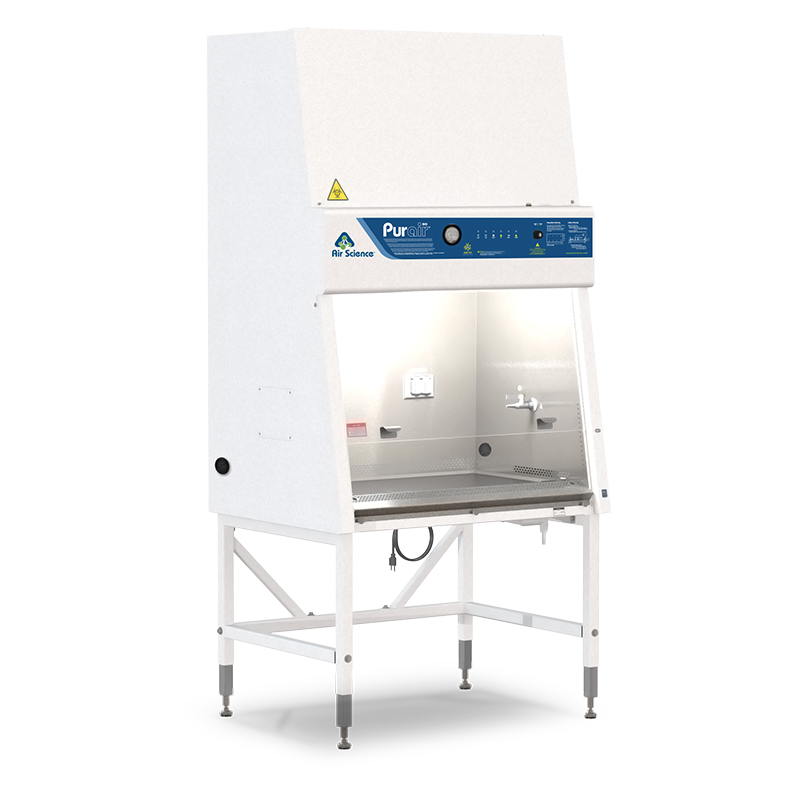
Purair PCR Workstations provide a clean work zone for contamination-sensitive DNA and PCR preparation. Applications involving biohazardous materials or requiring personnel protection may need a biological safety cabinet instead.
Yes. Air Science offers custom enclosures for specialized forensic applications. Dimensions, construction materials, airflow, filtration, monitoring and accessories can be configured around specific equipment and processing requirements.
Filtration depends on the equipment, evidence and contaminants involved. Air Science offers activated carbon, HEPA and ULPA filtration for different applications. Chemical, particulate and biological hazards should be evaluated before selecting a filtration configuration.
Filter life depends on the filter type, contaminants, frequency of use and operating conditions. Activated carbon filter life is influenced by chemical exposure, while HEPA and ULPA filter life depends on particulate loading and airflow performance. Replacement schedules should reflect the specific application.
Many Air Science products are designed for straightforward installation. Onsite commissioning is recommended to verify proper operation in the final location. Air Science can assist with identifying appropriate commissioning and certification services.
Air Science can help you select the right equipment for your evidence type, processing methods, containment requirements and laboratory workflow. Our team can review your application and recommend an appropriate forensic solution.
Work directly with our team to configure the right solution for your application and performance requirements.
Browse select Air Science products and accessories available for online purchase.
Need a custom solution? Our team is ready to help.
Order replacement HEPA and ULPA filters for Air Science laminar flow cabinets and clean benches.