Controlled Drying, Containment and Storage for Forensic Evidence
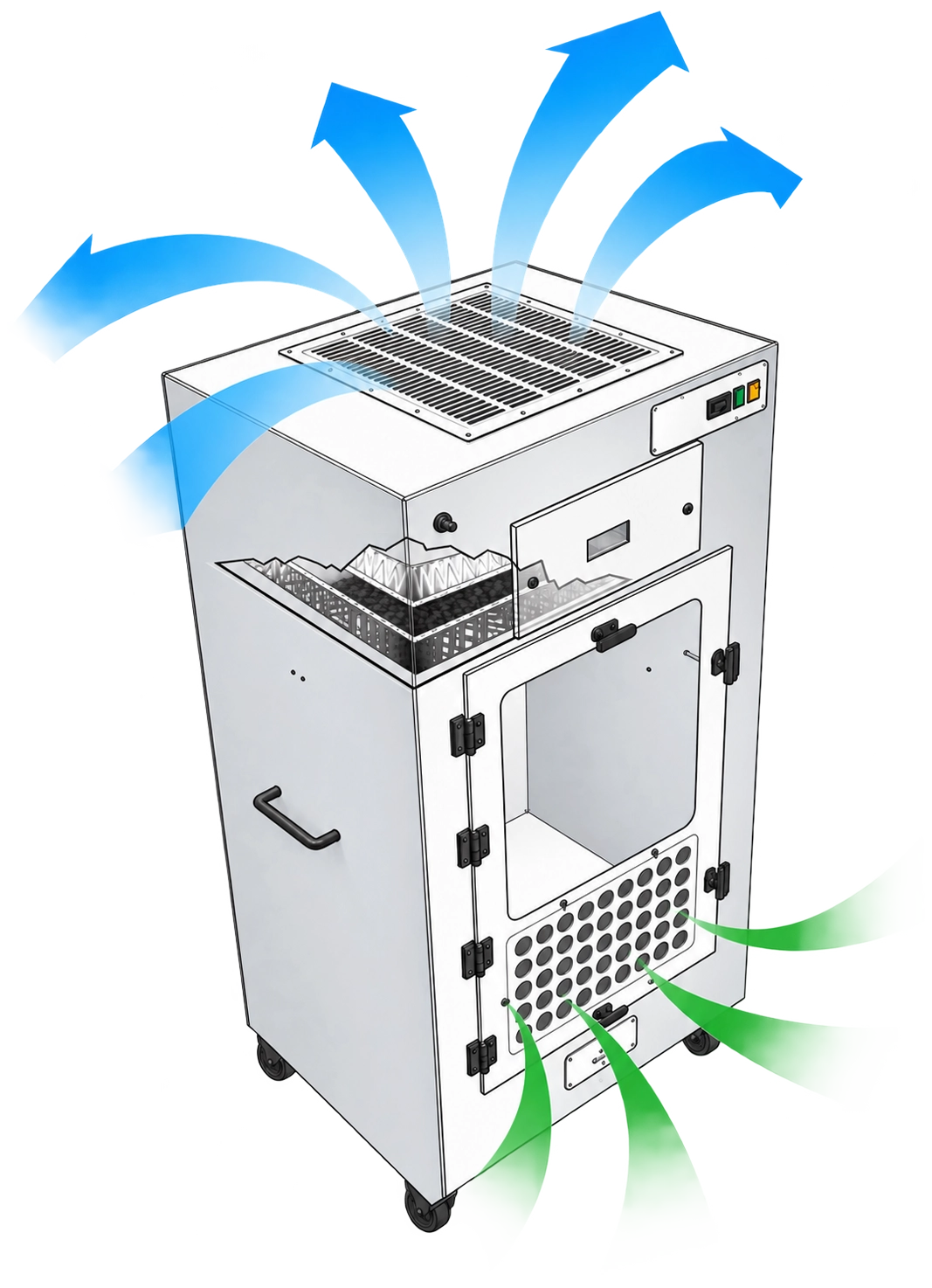
SafeKEEPER Forensic Evidence Drying Cabinets provide a controlled environment for drying wet evidence while helping protect the evidence, personnel and the surrounding room. Constant airflow and application-specific Multiplex™ filtration help reduce airborne cross-contamination and contain biological material, bloodborne-pathogen hazards, bodily-fluid aerosols, particulates, odors and appropriate incidental chemical vapors that may be released as evidence dries. Evidence remains inside a secure, tamper-resistant compartment to support controlled access and chain-of-custody procedures.
OSHA Standard -29 CFR, Safety and Health Regulations for General Industry, 1910.1450: Occupational exposure to hazardous chemicals in laboratories. Part B, definition, laboratory type hood. Please consult your Safety Officer and/or Industrial Hygienist.
OSHA Standard -29 CFR, Safety and Health Regulations for General Industry, 1910.1450: Occupational exposure to hazardous chemicals in laboratories. Part B, definition, laboratory type hood. Please consult your Safety Officer and/or Industrial Hygienist.
OSHA Standard -29 CFR, Safety and Health Regulations for General Industry, 1910.1450: Occupational exposure to hazardous chemicals in laboratories. Part B, definition, laboratory type hood. Please consult your Safety Officer and/or Industrial Hygienist.
OSHA Standard -29 CFR, Safety and Health Regulations for General Industry, 1910.1450: Occupational exposure to hazardous chemicals in laboratories. Part B, definition, laboratory type hood. Please consult your Safety Officer and/or Industrial Hygienist.
OSHA Standard -29 CFR, Safety and Health Regulations for General Industry, 1910.1450: Occupational exposure to hazardous chemicals in laboratories. Part B, definition, laboratory type hood. Please consult your Safety Officer and/or Industrial Hygienist.
OSHA Standard -29 CFR, Safety and Health Regulations for General Industry, 1910.1450: Occupational exposure to hazardous chemicals in laboratories. Part B, definition, laboratory type hood. Please consult your Safety Officer and/or Industrial Hygienist.
OSHA Standard -29 CFR, Safety and Health Regulations for General Industry, 1910.1450: Occupational exposure to hazardous chemicals in laboratories. Part B, definition, laboratory type hood. Please consult your Safety Officer and/or Industrial Hygienist.
OSHA Standard -29 CFR, Safety and Health Regulations for General Industry, 1910.1450: Occupational exposure to hazardous chemicals in laboratories. Part B, definition, laboratory type hood. Please consult your Safety Officer and/or Industrial Hygienist.
OSHA Standard -29 CFR, Safety and Health Regulations for General Industry, 1910.1450: Occupational exposure to hazardous chemicals in laboratories. Part B, definition, laboratory type hood. Please consult your Safety Officer and/or Industrial Hygienist.
OSHA Standard -29 CFR, Safety and Health Regulations for General Industry, 1910.1450: Occupational exposure to hazardous chemicals in laboratories. Part B, definition, laboratory type hood. Please consult your Safety Officer and/or Industrial Hygienist.
OSHA Standard -29 CFR, Safety and Health Regulations for General Industry, 1910.1450: Occupational exposure to hazardous chemicals in laboratories. Part B, definition, laboratory type hood. Please consult your Safety Officer and/or Industrial Hygienist.
OSHA Standard -29 CFR, Safety and Health Regulations for General Industry, 1910.1450: Occupational exposure to hazardous chemicals in laboratories. Part B, definition, laboratory type hood. Please consult your Safety Officer and/or Industrial Hygienist.
OSHA Standard -29 CFR, Safety and Health Regulations for General Industry, 1910.1450: Occupational exposure to hazardous chemicals in laboratories. Part B, definition, laboratory type hood. Please consult your Safety Officer and/or Industrial Hygienist.
OSHA Standard -29 CFR, Safety and Health Regulations for General Industry, 1910.1450: Occupational exposure to hazardous chemicals in laboratories. Part B, definition, laboratory type hood. Please consult your Safety Officer and/or Industrial Hygienist.
OSHA Standard -29 CFR, Safety and Health Regulations for General Industry, 1910.1450: Occupational exposure to hazardous chemicals in laboratories. Part B, definition, laboratory type hood. Please consult your Safety Officer and/or Industrial Hygienist.
OSHA Standard -29 CFR, Safety and Health Regulations for General Industry, 1910.1450: Occupational exposure to hazardous chemicals in laboratories. Part B, definition, laboratory type hood. Please consult your Safety Officer and/or Industrial Hygienist.
OSHA Standard -29 CFR, Safety and Health Regulations for General Industry, 1910.1450: Occupational exposure to hazardous chemicals in laboratories. Part B, definition, laboratory type hood. Please consult your Safety Officer and/or Industrial Hygienist.
OSHA Standard -29 CFR, Safety and Health Regulations for General Industry, 1910.1450: Occupational exposure to hazardous chemicals in laboratories. Part B, definition, laboratory type hood. Please consult your Safety Officer and/or Industrial Hygienist.
OSHA Standard -29 CFR, Safety and Health Regulations for General Industry, 1910.1450: Occupational exposure to hazardous chemicals in laboratories. Part B, definition, laboratory type hood. Please consult your Safety Officer and/or Industrial Hygienist.
OSHA Standard -29 CFR, Safety and Health Regulations for General Industry, 1910.1450: Occupational exposure to hazardous chemicals in laboratories. Part B, definition, laboratory type hood. Please consult your Safety Officer and/or Industrial Hygienist.
OSHA Standard -29 CFR, Safety and Health Regulations for General Industry, 1910.1450: Occupational exposure to hazardous chemicals in laboratories. Part B, definition, laboratory type hood. Please consult your Safety Officer and/or Industrial Hygienist.
OSHA Standard -29 CFR, Safety and Health Regulations for General Industry, 1910.1450: Occupational exposure to hazardous chemicals in laboratories. Part B, definition, laboratory type hood. Please consult your Safety Officer and/or Industrial Hygienist.
OSHA Standard -29 CFR, Safety and Health Regulations for General Industry, 1910.1450: Occupational exposure to hazardous chemicals in laboratories. Part B, definition, laboratory type hood. Please consult your Safety Officer and/or Industrial Hygienist.
OSHA Standard -29 CFR, Safety and Health Regulations for General Industry, 1910.1450: Occupational exposure to hazardous chemicals in laboratories. Part B, definition, laboratory type hood. Please consult your Safety Officer and/or Industrial Hygienist.
OSHA Standard -29 CFR, Safety and Health Regulations for General Industry, 1910.1450: Occupational exposure to hazardous chemicals in laboratories. Part B, definition, laboratory type hood. Please consult your Safety Officer and/or Industrial Hygienist.
OSHA Standard -29 CFR, Safety and Health Regulations for General Industry, 1910.1450: Occupational exposure to hazardous chemicals in laboratories. Part B, definition, laboratory type hood. Please consult your Safety Officer and/or Industrial Hygienist.
OSHA Standard -29 CFR, Safety and Health Regulations for General Industry, 1910.1450: Occupational exposure to hazardous chemicals in laboratories. Part B, definition, laboratory type hood. Please consult your Safety Officer and/or Industrial Hygienist.
OSHA Standard -29 CFR, Safety and Health Regulations for General Industry, 1910.1450: Occupational exposure to hazardous chemicals in laboratories. Part B, definition, laboratory type hood. Please consult your Safety Officer and/or Industrial Hygienist.
OSHA Standard -29 CFR, Safety and Health Regulations for General Industry, 1910.1450: Occupational exposure to hazardous chemicals in laboratories. Part B, definition, laboratory type hood. Please consult your Safety Officer and/or Industrial Hygienist.
OSHA Standard -29 CFR, Safety and Health Regulations for General Industry, 1910.1450: Occupational exposure to hazardous chemicals in laboratories. Part B, definition, laboratory type hood. Please consult your Safety Officer and/or Industrial Hygienist.
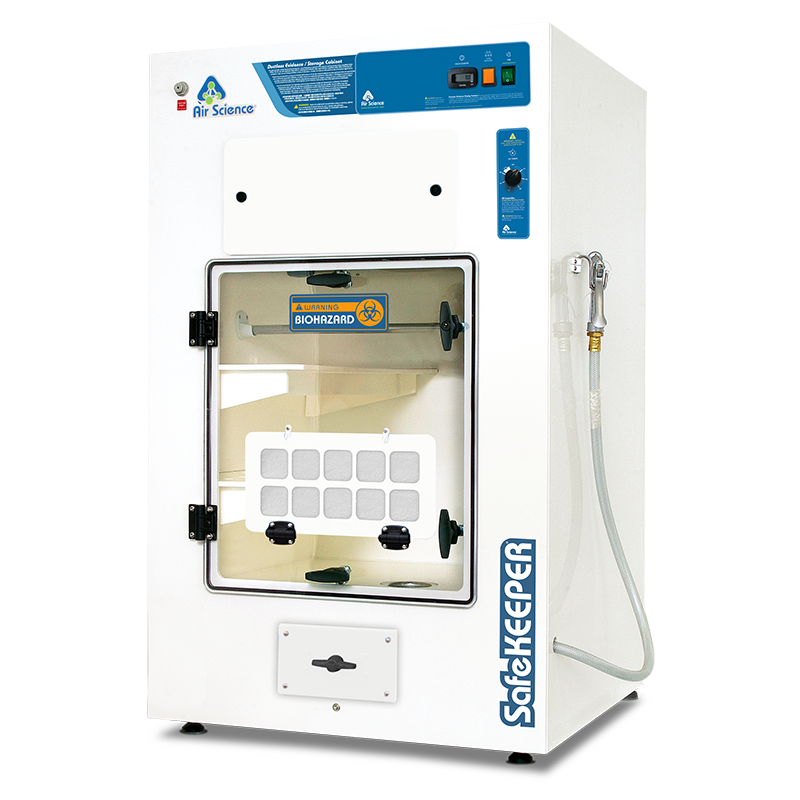
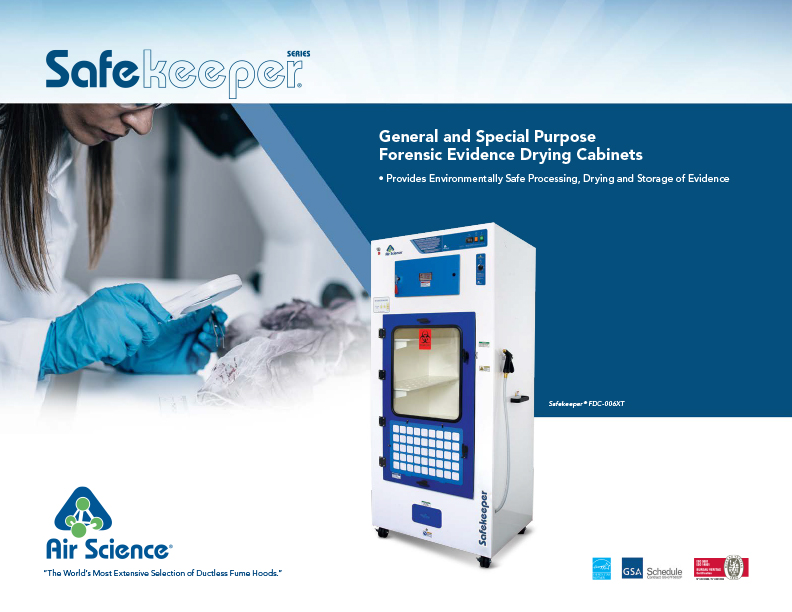
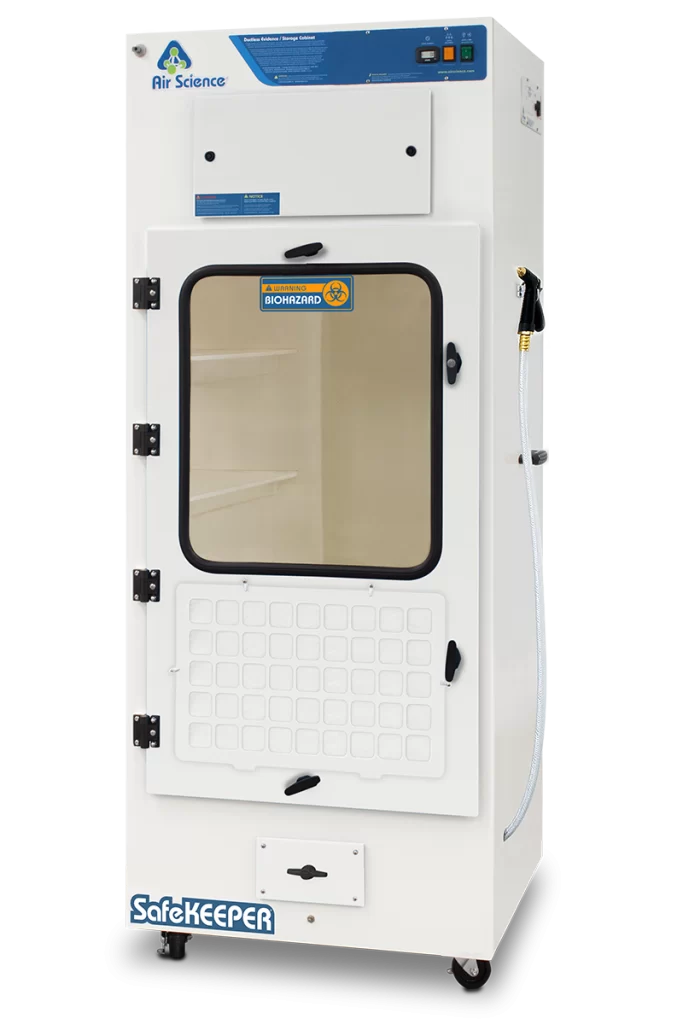
SafeKEEPER Forensic Evidence Drying Cabinets combine secure evidence containment, advanced filtration and flexible configurations to support forensic evidence processing. Available in single- and multi-chamber designs, with benchtop, floor-standing, tall and Downflow options, they provide controlled, no-heat drying while helping protect evidence, personnel and the surrounding environment.
Secure, Versatile Design
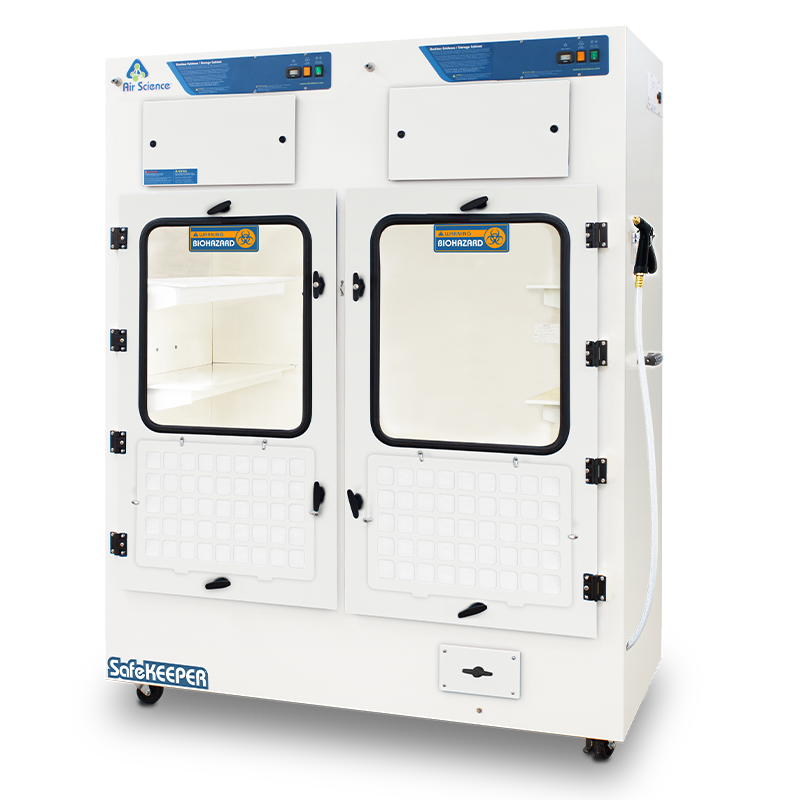
Purpose-built for drying wet forensic evidence, SafeKEEPER features tamper-resistant construction to support chain-of-custody procedures. Available in single, duplex, triplex and quad configurations, with benchtop, floor-standing, tall and Downflow options. Select multi-chamber models offer independently controlled drying compartments.
Advanced Filtration & Airflow
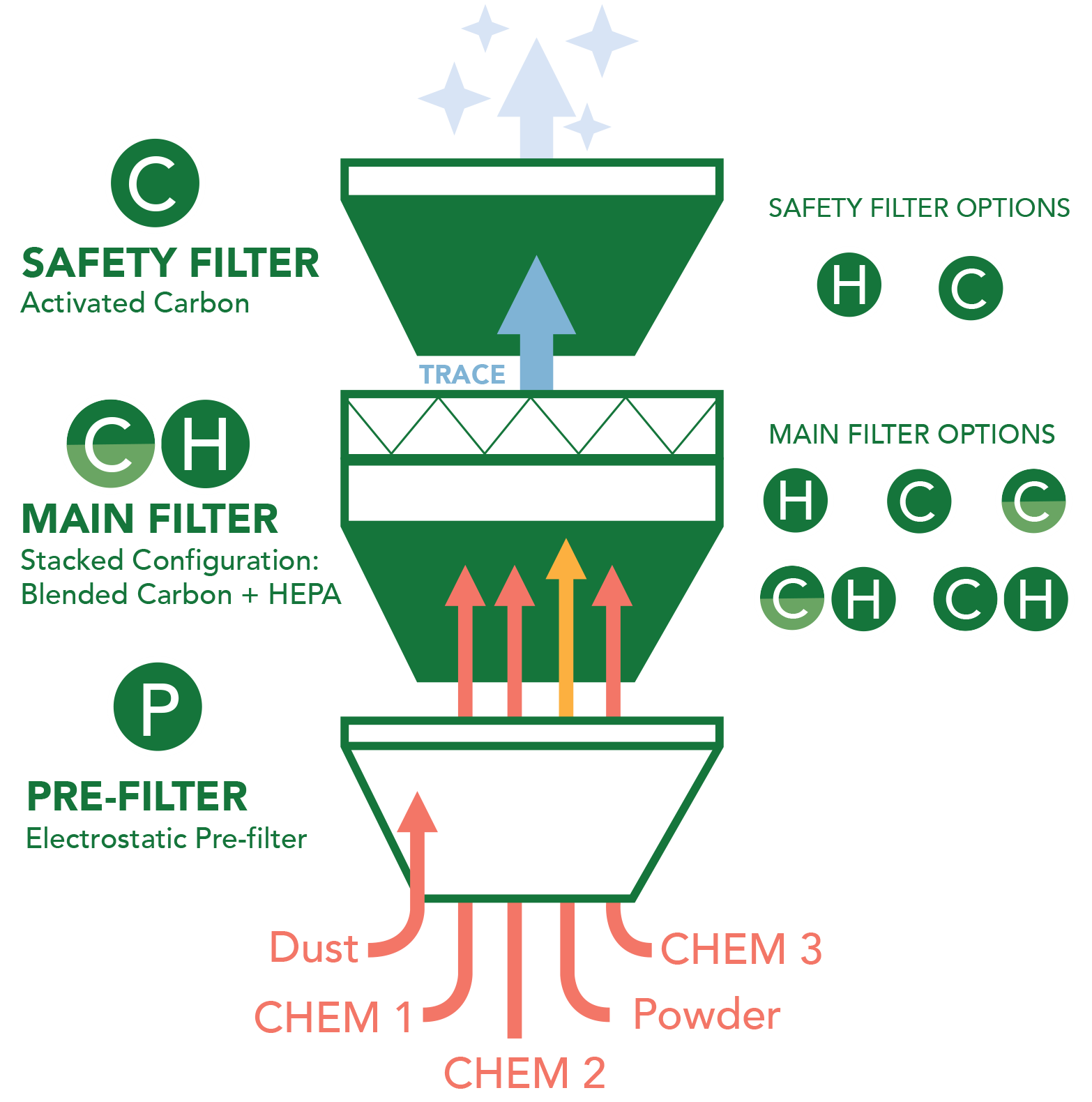
Ductless operation eliminates the need for conventional building exhaust in standard configurations. Multiplex™ Filtration Technology can combine electrostatic pre-filtration, HEPA/ULPA and activated carbon filtration, with a specified face velocity of 100 fpm for controlled evidence drying.
Easy Cleaning & Customization
Wash-down and wastewater-management features simplify cleaning between cases. Optional monitoring, UV, wastewater containment and other accessories provide additional flexibility to meet specific forensic laboratory requirements.
IMPORTANT
SafeKEEPER is application-specific forensic containment equipment. Cabinet configuration, filtration and operating procedures should be selected for the evidence and hazards involved. Follow agency evidence-handling, biohazard, cleaning and wastewater procedures.
Provides a controlled environment for drying wet or damp evidence within a single, secure compartment.
Smaller Evidence Workloads
Ideal for facilities with lower evidence volumes or those that process evidence one case at a time.
Space-Conscious Configurations
Available in benchtop and floor-standing configurations to accommodate different workspace requirements.
When Should I Choose a Multi-Chamber SafeKEEPER?
Simultaneous Evidence Processing
Allows multiple evidence loads to be dried at the same time while maintaining separation between chambers.
Independently Filtered Chambers
Select multi-chamber models feature independently controlled and filtered compartments to support evidence separation.
Higher-Volume Evidence Workloads
Duplex, Triplex and Quad configurations provide additional drying capacity for facilities managing larger evidence volumes.
How Does the SafeKEEPER Work?
Evidence is placed inside the drying chamber on the hanging rod, perforated shelves or other appropriate supports. A constant airflow moves through the chamber as moisture evaporates from the evidence. Contaminated air is pulled through the Multiplex filtration system, where the selected combination of particulate and/or carbon filters captures contaminants before filtered air is returned to the room.
How Does Multiplex™ Filtration Technology Work?
SafeKEEPER uses the Air Science Multiplex™ Filtration System. Depending on the application and cabinet configuration, filtration can include an electrostatic pre-filter, HEPA/ULPA filtration for particulate or biological material, activated carbon for fumes and odors, and optional backup filtration. Filter selection should be matched to the evidence and expected contaminants.
SafeKEEPER can be configured with application-specific filtration for different laboratory needs. Activated carbon filters adsorb compatible chemical vapors, while optional HEPA/ULPA filtration captures powders and particulates. Filter selection depends on the chemicals and operating conditions of the application.
The most widely used filter in the range, primarily for solvent, organic and alcohol removal.
HEPA/UPLA
Powders and particulates.
Forensic Evidence Drying Applications
SafeKEEPER Forensic Evidence Drying Cabinets provide controlled drying and containment for wet or damp forensic evidence. With application-specific Multiplex filtration, secure compartments and multiple cabinet configurations, they support evidence-processing workflows in crime laboratories, law-enforcement facilities and other forensic environments.
Wet and damp forensic evidence drying
Biological and trace evidence processing
Blood- and bodily-fluid-contaminated evidence
Crime laboratory evidence handling
Law-enforcement evidence processing
Medical examiner and coroner applications
Controlled drying of evidence for DNA analysis
Multi-case processing in separate chambers
Evidence drying with odor and particulate containment
Secure evidence storage during drying
Protect the Evidence. Protect the Operator. Protect the Room.
SafeKEEPER is designed to help protect evidence from airborne cross-contamination while helping protect operators and the surrounding room from contaminants released as wet evidence dries. Depending on the application and selected filtration, these contaminants may include biological material, bloodborne-pathogen hazards, bodily-fluid aerosols, particulates, odors and appropriate incidental chemical vapors.
The secure, tamper-resistant drying compartment also helps maintain controlled access to evidence during the drying process and supports established chain-of-custody procedures.
Frequently Asked Questions
Below are answers to our frequently asked questions and links to additional helpful information.
What is a SafeKEEPER forensic evidence drying cabinet?
SafeKEEPER is a purpose-built cabinet for storing, drying or processing forensic evidence in a controlled, tamper-resistant compartment. Constant airflow dries wet evidence while the selected filtration system captures airborne particulates, biological material, fumes and odors.
What types of evidence can be dried in a SafeKEEPER?
SafeKEEPER is designed for wet or damp forensic evidence that requires controlled drying and containment. The exact cabinet and filtration configuration should be selected for the evidence type and hazards involved.
Does SafeKEEPER help maintain chain of custody?
The cabinet is designed as a tamper-resistant controlled compartment to support chain-of-custody procedures. Doors include key locks and tamper-proof seal provisions. The agency remains responsible for its evidence documentation, sealing and access procedures.
Can multiple cases be dried at the same time?
Multi-chamber SafeKEEPER models are available with two, three or four chambers. The brochure specifies independently filtered and controlled chambers, and Triplex and Quad models permit simultaneous but separated processing. Whether different cases may be processed simultaneously should follow the agency’s evidence-separation procedures.
How does SafeKEEPER help reduce cross-contamination?
Evidence is processed inside a controlled chamber with constant airflow and application-specific filtration. The cabinet is designed to be cleaned between cases, and multi-chamber models provide separated chambers. Proper cleaning, evidence handling and filter maintenance remain essential.
Does SafeKEEPER need external exhaust ductwork?
No for the standard ductless configuration. Contaminated air is filtered and returned to the room. An optional exhaust collar is available when connection to external ductwork is desired.
Does a SafeKEEPER need a water connection?
No. A permanent water connection is not required for standard SafeKEEPER operation. Optional water and wash-down configurations are available for facilities that want integrated cleaning capability.
Do I need the optional water package?
Not necessarily. Water, wash-down and drainage features are optional conveniences for facilities that want integrated cleaning and wastewater management. The appropriate configuration depends on the agency’s cleaning procedures and installation location.
How do I clean a SafeKEEPER evidence drying cabinet?
After evidence is removed, clean and decontaminate the interior according to the agency’s approved procedure. The cabinet is designed for easy cleaning and can be cleaned with water and an appropriate hospital-grade biocide or disinfectant. Optional wash-down and drainage packages are available when integrated cleaning is desired.
How does the SafeKEEPER drain?
General Purpose cabinets include a central 1.5-inch bottom drain with an anti-siphon trap and a strainer to capture contaminants in the wastewater stream. The drain hose can be routed to a suitable sink, floor drain or collection container. Applicable standard models also use a powered assist pump for remote drainage.
Does the SafeKEEPER have to be hard-plumbed to a drain?
No. The brochure specifically states that a hard drain and trap are not required. The drain hose can be routed to a standard sink, floor drain or appropriate collection container.
What if there is no drain near the cabinet?
An optional OSHA biohazard-labeled wastewater container is available. An optional locking wastewater compartment helps contain the tank and reduce spill risk during transport; this arrangement is standard on Downflow models.
What if there is no water source near the cabinet?
An optional onboard clean-water tank with electric pump is available, allowing a more self-contained installation where a convenient faucet is not available.
Not Sure Which Product or Filter You Need?
Air Science can review your application, chemicals, concentrations, quantities, and process requirements to help determine an appropriate ductless fume hood and filtration configuration.