
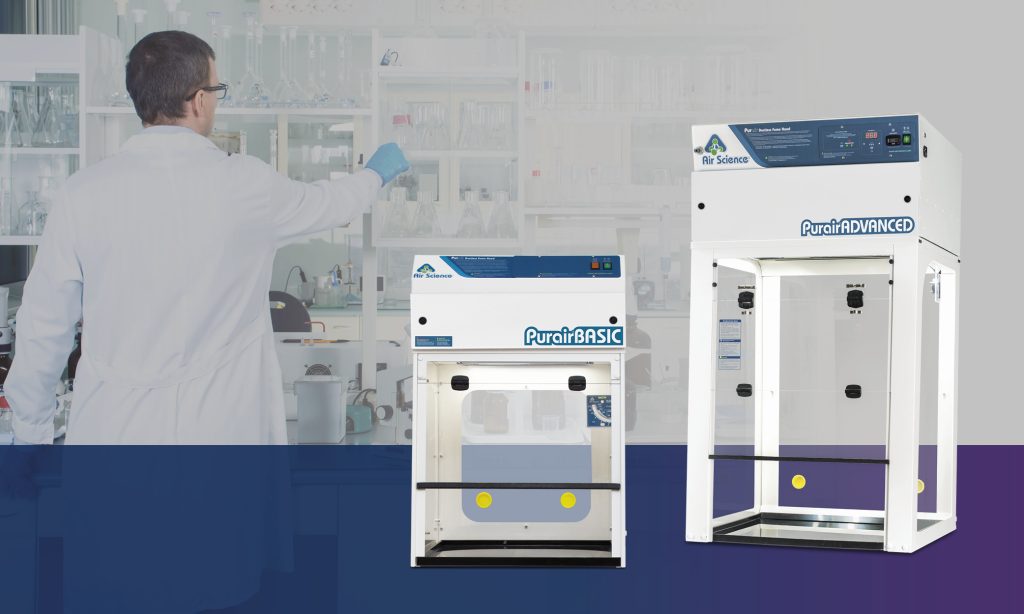
Every lab layout decision shapes workflow, behavior, and risk. Here’s how to design for efficiency and safety together.
Why Laboratory Workflow Matters
A laboratory layout is never neutral. Every spatial decision — where processes sit, how circulation routes are structured, where storage is located — actively shapes workflow efficiency, staff behavior, and risk. A lab planned hastily may function on day one, but it often carries hidden costs: inefficient workflows, operational workarounds, and compliance challenges that build over time.
Start With Workflow, Not Equipment
The most common mistake in lab design is fitting equipment into a footprint first and then trying to make the workflow work around it. The better approach is the opposite: map the workflow first, then design the space to support it. This is the core of the “Lean Lab” philosophy — identify and eliminate waste, not just physical clutter, but wasted motion, waiting time, and inventory space. Techniques like spaghetti diagramming and 5S organization can reveal inefficiencies that aren’t obvious from a floor plan alone. In one documented project, applying these principles and relocating equipment to match process sequence delivered a measured 8% increase in annual productivity.
Best practice lab design uses clearly defined zones based on activity type and risk level. Clean and dirty workflows should be separated, high-concentration analytical work benefits from separation from high-traffic areas, and write-up areas should be designated and separate from bench space. Risk classifications and maximum allowable quantities should inform the layout from the start — not serve as a code check at the end.
Optimize Fume Hood Placement for Laboratory Safety
Fume hood placement is one of the most critical safety factors in any lab. Hoods must be positioned in low-traffic areas, far from doors, windows, and HVAC supply registers. Even a well-functioning hood can fail to contain if the airflow around it is turbulent.
Ductless fume hoods offer a flexibility advantage: they capture hazardous vapors through activated carbon filtration and return clean air directly to the lab, eliminating ductwork and roof penetrations. Many units are mobile, install in hours, and place no demand on facility HVAC — making them ideal for retrofits, limited floor space, and labs that may need to reconfigure as priorities change. For many labs, a hybrid approach works best: ducted fume hoods for heavy chemistry and portable ductless hoods for lighter prep benches.
Involve EHS teams from the earliest design phases, and build in adaptability with flexible casework and reconfigurable equipment so the lab can evolve without starting over.
Design a Flexible Laboratory That Can Adapt
Best Practices
- Map the workflow first, then design the space to support it
- Zone by activity and risk level to separate clean and dirty, high-traffic and high-concentration areas
- Place fume hoods strategically, away from traffic and airflow disruptions
- Choose ductless fume hoods for mobility, fast installation, energy efficiency, and a smaller footprint
- Involve EHS early so safety is engineered into the design · Build in adaptability so the lab can grow with the work
Resources:
Air Science Ductless Fume Hoods — https://www.airscience.com/ductless-fumehoods
Air Science Ducted Fume Hoods — https://www.airscience.com/products
Air Science Full Product Line — https://www.airscience.com/products
Air Science Safety & Compliance — https://www.airscience.com/safety-and-compliance