
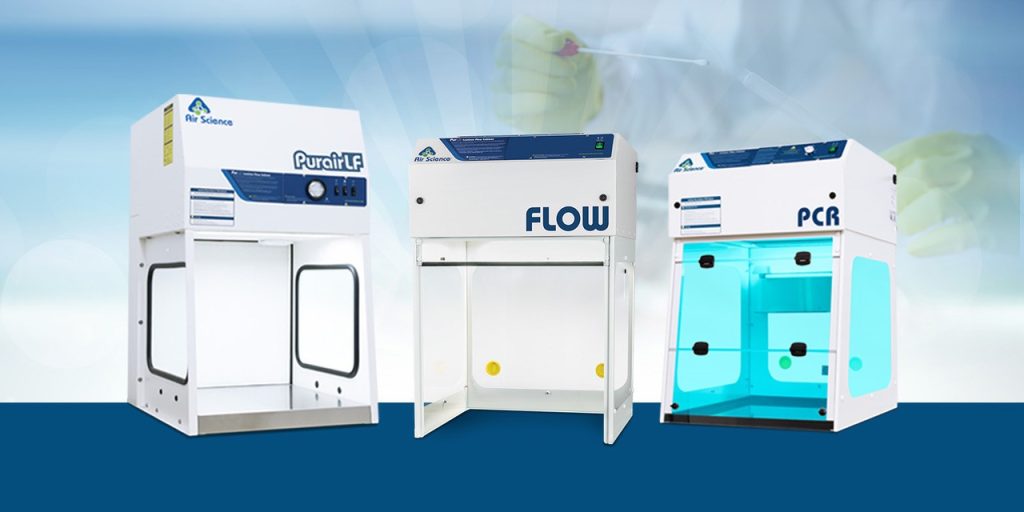
In laboratory settings, maintaining a sterile environment is paramount to the success of your research and the integrity of your samples. Laminar flow cabinets (or laminar flow hoods) are essential tools designed to provide a contaminant-free work zone by directing HEPA-filtered air across the work surface in a uniform (laminar) flow.
While these units are designed for ease of use, following a standardized operating procedure (SOP) is the only way to guarantee maximum protection for your work. Use this step-by-step guide to ensure you are operating your Air Science laminar flow cabinet safely and effectively.
1. Preparation and Pre-Start of the Laminar Flow Hood
Safety begins before you even turn on the blower. Ensuring the unit is situated and prepared correctly is the first step in maintaining sterility.
- Check the Surroundings: Ensure the cabinet is located away from doors, air vents, or high-traffic areas where cross-drafts could disrupt the laminar airflow. For the Purair® LF Series, a clearance of at least 6 feet (183 cm) in front of the cabinet is strongly advised to maintain proper airflow.
- Visual Inspection: Check that the sash is in the correct position and that no large objects are blocking the air intake (top pre-filters) or exhaust grilles.
- Appropriate Attire: Ensure you are wearing appropriate attire, such as a clean, long-sleeved laboratory coat to protect personal clothing, or the Personal Protective Equipment (PPE) stipulated in your SOP. This helps prevent shedding skin cells or clothing fibers into the sterile zone.
- Ergonomics: Adjust your stool or chair height so that you are in a comfortable sitting position. Proper positioning reduces physiological energy costs and fatigue, helping you maintain the steady, controlled movements necessary to avoid disrupting the laminar airflow.
2. Startup and Purge Cycle
Once the unit is physically ready, it needs time to establish a stable, sterile environment.
- The 5-Minute Rule: Power on the unit and leave the cabinet running for at least 5 minutes before beginning work. This purge period is essential to flush all airborne contaminants from the interior that may have settled while the unit was off.
- Prep Your Materials: While the cabinet is purging, use this time to prepare a written checklist of necessary materials and surface-decontaminate them. Spray or wipe down all tools, containers, or samples with an appropriate disinfectant before they enter the work zone to prevent dragging external contaminants into the sterile field.
3. Surface Decontamination
Even with filtered air, the physical surfaces of the cabinet must be chemically disinfected to ensure a sterile start.
- Disinfect the Interior: Thoroughly surface-decontaminate the work surface, inner back walls, and interior window surfaces. Use a mild soap or mild disinfectant.
- Wipe Technique: Always wipe from the cleanest area to the least clean, using a different cloth or a new surface of a folded cloth for each surface of the unit. Units should typically be cleaned from back to front and top to bottom.
4. Proper Loading and Organization
How you arrange your items inside the hood significantly impacts airflow patterns.
- Avoid Overcrowding: Only load materials necessary for immediate usage to prevent overloading and minimize the number of arm movements that might disrupt the airflow. Never use the cabinet as a storage area for supplies or equipment.
- Manage Cross-Contamination: Keep clean materials at least 150 mm (approx. 6 inches) away from any aerosol-generating objects to minimize the risk of cross-contamination.
- Linear Arrangement: Work from “clean to dirty” by following a strict segregation of materials. Arrange objects to avoid airflow turbulence and ensure that back air grilles remain unobstructed by arms or equipment.
5. Safe Operating Techniques
Your movements during the procedure can either maintain or destroy the laminar flow.
- Hand and Arm Placement: Keep arms as far away as possible from items in the work zone. Move your hands and arms in and out of the cabinet slowly to minimize airflow disruption.
- Lid Handling: Where appropriate, hold lids or covers above dishes and sample plates to prevent air impingement on the sterile surface.
- Head Positioning: Keep your head out of the work zone at all times, as it represents a large potential source for aerosol generation.
- Maintain Blower Speed: Do not change the original blower speed unless it is required by a decrease in measured air velocity, and only allow qualified technicians to make such adjustments.
6. Shutdown Procedures
Properly closing down the unit ensures it is ready for the next user and extends the life of your filters.
- Clear the Cabinet: Remove all materials and apparatus from the work zone after your procedure is complete.
- Final Wipe Down: Perform a final surface disinfection of the work area.
- Hygiene and PPE: After completing the shutdown, remove your PPE and thoroughly wash your hands using germicidal soap.
- UV Light (Optional): If your unit is equipped with a UV lamp (such as on the Purair PCR series), you may activate it for sterilization. Note: Never work in the hood while the UV light is active, and ensure the sash is fully closed.
- Continuous Operation: When possible, it is recommended that the cabinet be operated continuously to ensure maximum cleanliness.
The Air Science Advantage
Air Science laminar flow cabinets, such as the Purair FLOW, are engineered with high-efficiency filtration and intuitive controls to make these safety steps seamless. By combining high-quality equipment with disciplined laboratory habits, you can ensure a reliable, contaminant-free environment for every application.
Need to upgrade your sterile workspace? Explore our full range of Laminar Flow Cabinets or contact us today for a custom quote.