High-Performance Chemical Filtration With Sustainable Coconut Shell Activated Carbon

Activated Carbon for Cleaner Air

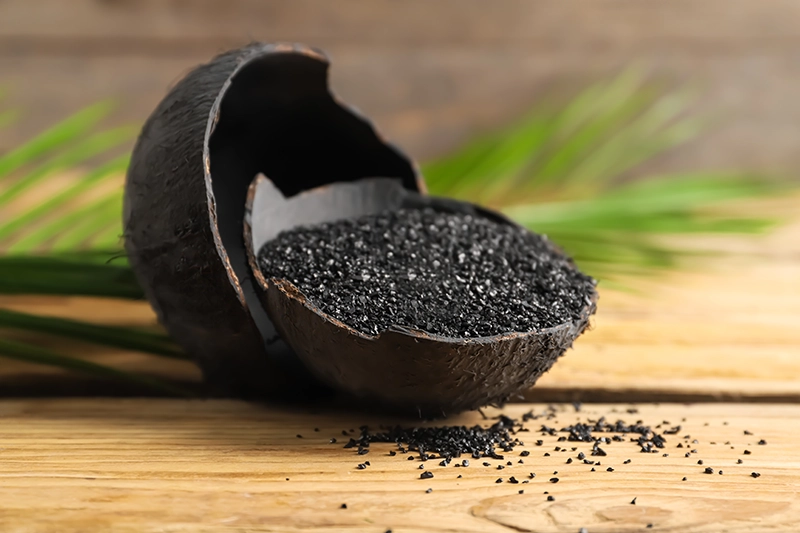
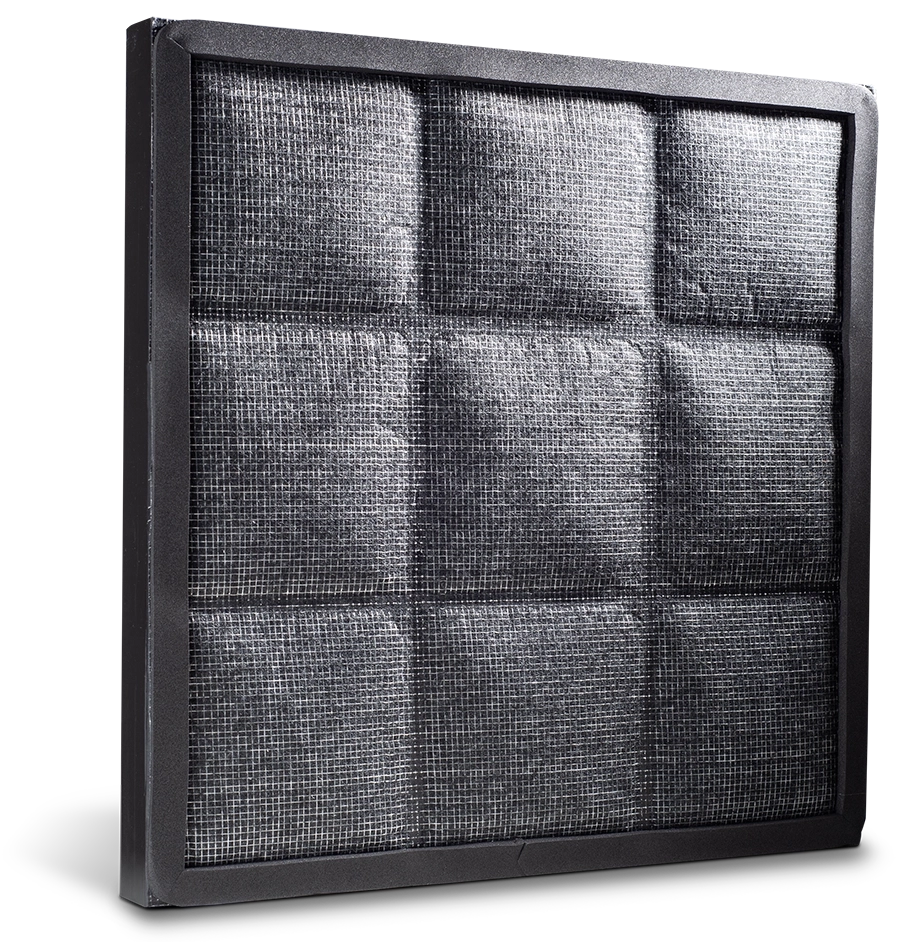
Air Science systems use high-performance coconut shell activated carbon in selected carbon filter cartridge configurations for chemical filtration applications. Our filtration solutions are designed to support laboratory air quality and dependable containment in ductless fume hoods, filtered storage cabinets, and other equipment applications.

A Renewable Coconut Shell Carbon Advantage

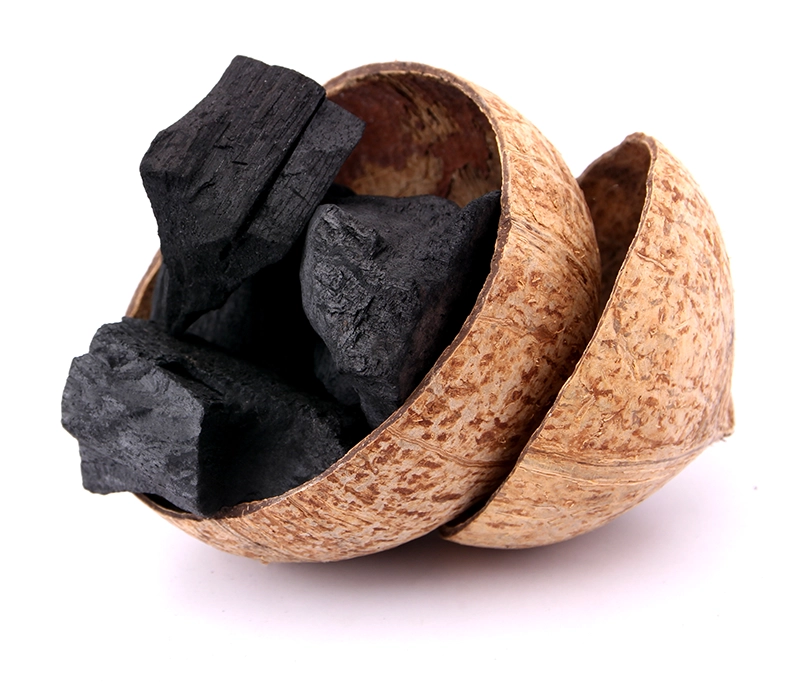
Coconut shell activated carbon is an adsorption media made from coconut shell material, an agricultural byproduct. In applicable carbon filter cartridges, it provides an effective carbon media option for chemical filtration.

Key Advantages:
  • Coconut shell-based carbon media
  • Made from an agricultural byproduct
  • Highly microporous carbon structure
  • Used for adsorption of selected gases, chemical vapors, and odors
  • Available in applicable carbon filter cartridge configurations

Application-Specific Filtration

Carbon filter cartridges are selected based on the chemical hazards associated with the intended application. The appropriate carbon media, chemical treatment, cartridge configuration, and equipment must be determined based on the chemicals, concentrations, airflow, work practices, and cabinet model.

Proper chemical compatibility review and filter selection remain required for every application.

Performance First

Engineered for Chemical Filtration

Coconut shell activated carbon has a highly microporous structure that can be effective for many low-molecular-weight chemical vapors.

Air Science offers carbon filter cartridges configured for specific chemical filtration requirements. Where appropriate, treated carbon media may be used for chemical families including acids, ammonia, formaldehyde, mercury, and other specialized contaminants.

Frequently Asked Questions

Coconut shell activated carbon is an adsorption media made from coconut shell material, an agricultural byproduct. It is used in applicable carbon filter cartridge configurations to capture selected gases, chemical vapors, and odors through adsorption.

Coconut shell activated carbon has a highly microporous structure that can be effective for many low-molecular-weight chemical vapors. The appropriate cartridge depends on the specific chemical, concentration, airflow, work practices, and application.

Selected Air Science carbon filter cartridge configurations use coconut shell activated carbon. Carbon media and chemical treatments are selected to match the hazards and contaminants associated with the intended application.

Coconut shell activated carbon can be used in ductless fume hood carbon filter cartridges when the cartridge is properly selected for the chemicals being handled and the cabinet is used within its approved operating conditions.

No. Carbon filter cartridges, HEPA filters, and ULPA filters serve different purposes. Activated carbon is used for selected gases, chemical vapors, and odors, while HEPA and ULPA filters capture particulate contaminants.
Chemical Filtration for Laboratory Air Quality

Activated carbon, HEPA filters, and ULPA filters each serve different functions in laboratory air filtration.

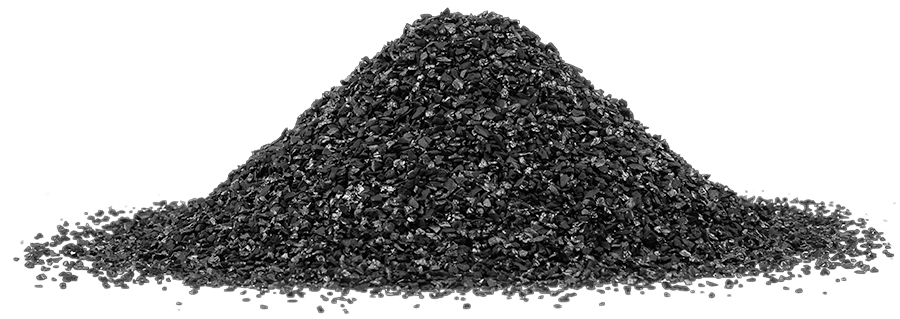
Activated carbon is used to capture selected gases, chemical vapors, and odors through adsorption. HEPA and ULPA filters are used to capture particulate contaminants. Many Air Science systems use more than one filtration technology, depending on the equipment configuration and application.

Using the correct replacement cartridge at the recommended interval helps maintain filtration performance and dependable containment over the life of the equipment.

Upgrade to Sustainable Filtration

Carbon filter cartridges, HEPA filters, and ULPA filters for ductless fume hoods and laboratory containment equipment.